 GIX
Why Spreads Widen Before Fed Announcements and How to Protect Your Entries
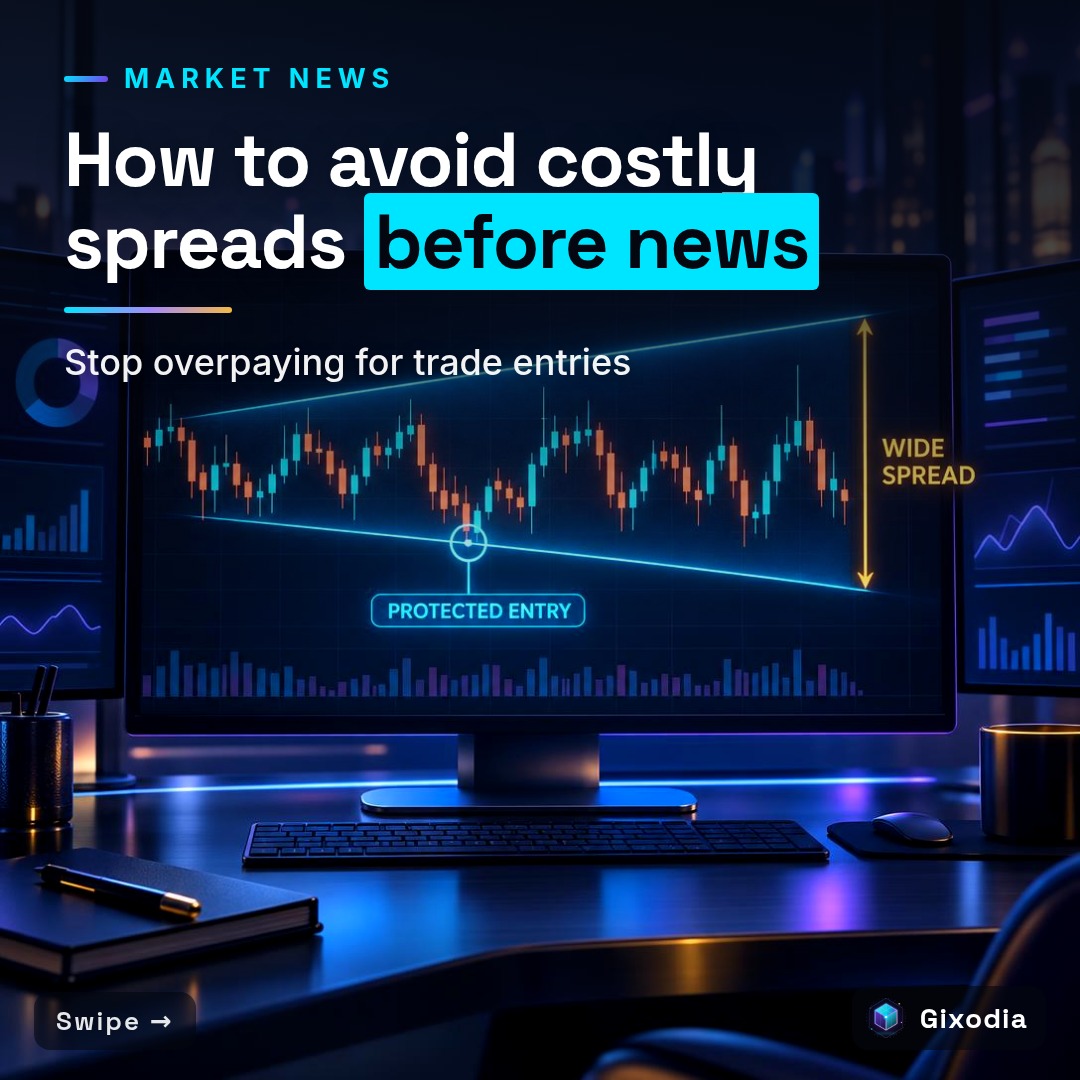
- Spread widening occurs when liquidity providers pull resting quotes off the order book right before high impact news releases.
- Candlestick charts display the bid price by default, meaning short positions can be stopped out by an invisible jump in the ask price.
- Entering with a market order while liquidity is thin leads directly to severe slippage and immediate drawdown.
- A strict maximum spread filter prevents automated and manual entries from triggering until normal transaction costs return.
- Waiting three to five minutes after an announcement lets quotes normalize so technical levels can be traded reliably.
What is spread widening before Fed news?
Spread widening is the expansion of the numerical gap between the bid price that buyers offer and the ask price that sellers demand. Right before a Federal Reserve interest rate decision, this gap expands rapidly because liquidity providers pull their limit orders off the market to shield themselves from sudden price shock.
In everyday trading, currency pairs like EUR/USD and commodities like gold enjoy dense trading volume. Banks and market makers match buyers and sellers continuously, pocketing tiny fractions on the turnover. When a major central bank statement approaches, the risk profile shifts instantly. If a bank quotes a tight price right as the Federal Reserve changes interest rates, high-frequency algorithms could trade against those resting quotes before the bank can cancel them.
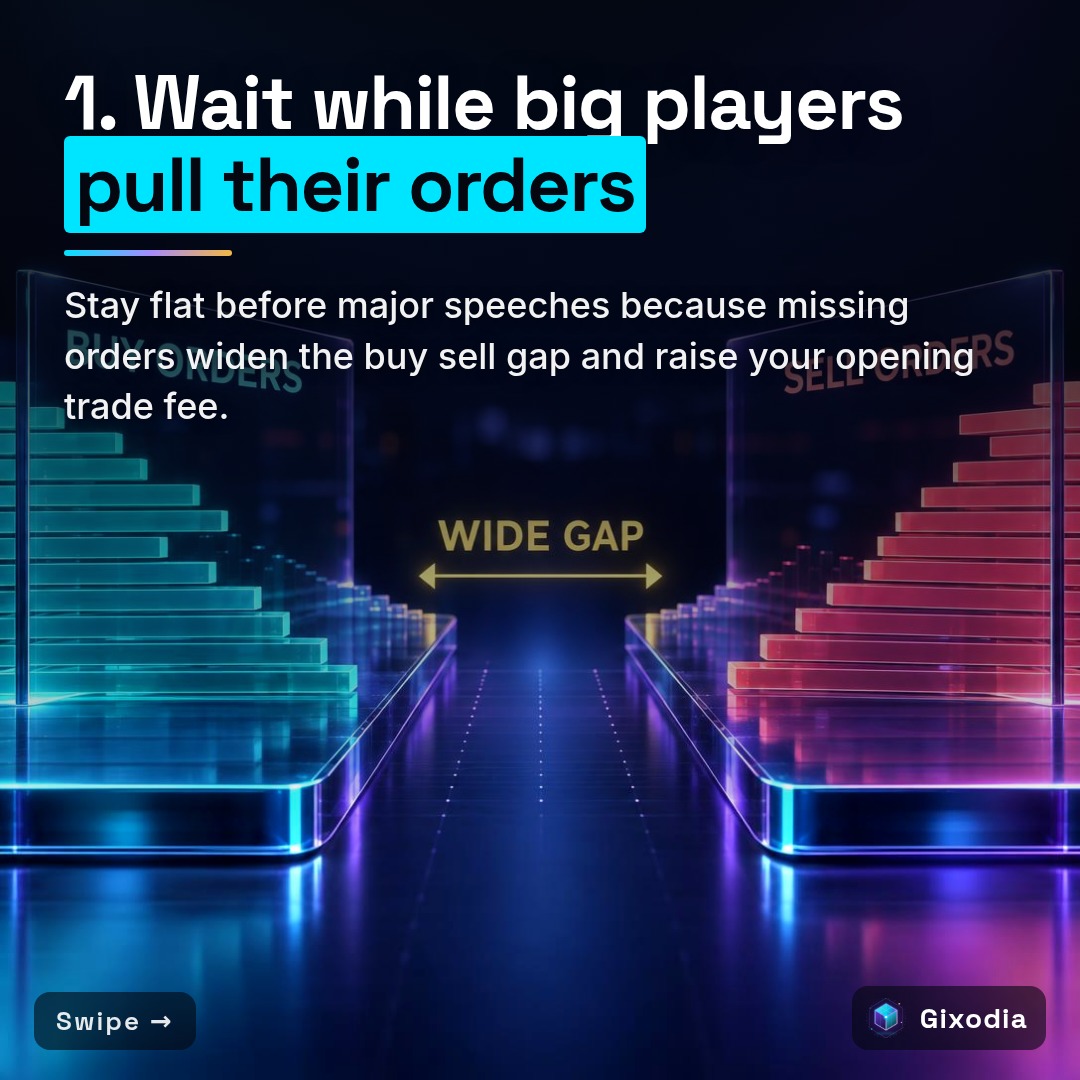
To avoid this adverse selection, market makers step back seconds or minutes before the clock hits the release time. They cancel their limit orders, which empties the central order book. As a result, the gap between the highest remaining buyer and the lowest remaining seller stretches outward. Learning how forex markets work under these conditions helps you understand why trading fees spike without warning.
Even on major instruments, this spread blowout can increase trading costs five to twenty times above ordinary levels. Entering a trade in this vacuum means you pay a steep fee simply to get filled.
- The bid is the highest price a buyer is currently willing to pay.
- The ask is the lowest price a seller is willing to accept.
- The spread represents the real-time cost of opening a trade.
Why do liquidity providers pull orders during interest rate decisions?
Liquidity providers pull orders before Federal Reserve decisions because the risk of getting filled on the wrong side of an institutional repricing event outweighs the minor profit earned from transaction spreads. By removing their quotes, market makers refuse to act as counterparties during periods of extreme volatility.
Institutions earn revenue by quoting prices on both sides of the market while maintaining neutral exposure. When scheduled high-impact events like interest rate decisions hit the wire, news algorithms react in milliseconds. If a liquidity provider leaves resting orders on the book, faster players can execute against those quotes, leaving the market maker holding a substantial losing position.
To eliminate this hazard, institutional desks widen their quotes or withdraw them altogether until the initial surge clears. This defensive posture causes what retail traders observe as missing market depth. In deep instruments like eur usd deepest liquidity, normal quotes vanish momentarily, leaving behind an exceptionally thin order book.
Until these institutional participants feel comfortable assessing the new market consensus, they quote defensive prices. This protects their capital, but it pushes massive execution friction directly onto any retail trader who attempts to open or close orders during the event.
How does wide spread trigger phantom stop outs?
A wide spread triggers phantom stop outs because standard charts display only the bid price, while short positions exit at the ask price. When the spread widens, the ask price can jump upward and hit a protective stop even though the price candles on your screen never reached that level.
Every trader needs to remember that buy orders enter at the ask and exit at the bid, while sell orders enter at the bid and exit at the ask. When you hold an open short trade, your stop-loss order is a buy order waiting to execute at the market ask price. By default, most charting platforms show candlestick bars constructed purely from the bid price.
During a Fed announcement, the bid price on gold might drop slightly, drawing what looks like a bearish candle. At the exact same fraction of a second, the ask price might spike dozens of pips upward due to the vanishing liquidity. That ask spike triggers your stop-loss order instantly.
You look at your chart and see a candle that never touched your price, yet your position is closed at a loss. This is not a platform glitch. It is basic order mechanics in an illiquid market, making a solid grasp of understanding spread commission slippage essential for preserving your account balance.
| Execution Factor | Normal Liquid Market | Fed News Announcement Window |
|---|---|---|
| Average Spread | Extremely tight, often a fraction of a pip on EUR/USD | Expands five to twenty times wider than baseline |
| Order Book Depth | Deep volume with thick layers of resting limit orders | Nearly empty as liquidity providers pull bids and offers |
| Market Order Slippage | Minimal to zero slippage on regular position sizes | Heavy negative slippage filling deep into empty price tiers |
| Stop-Loss Triggers | Orders execute precisely where price touches on screen | Spiking ask quotes can trigger short stops without bid movement |
What happens when you send market orders into a thin order book?
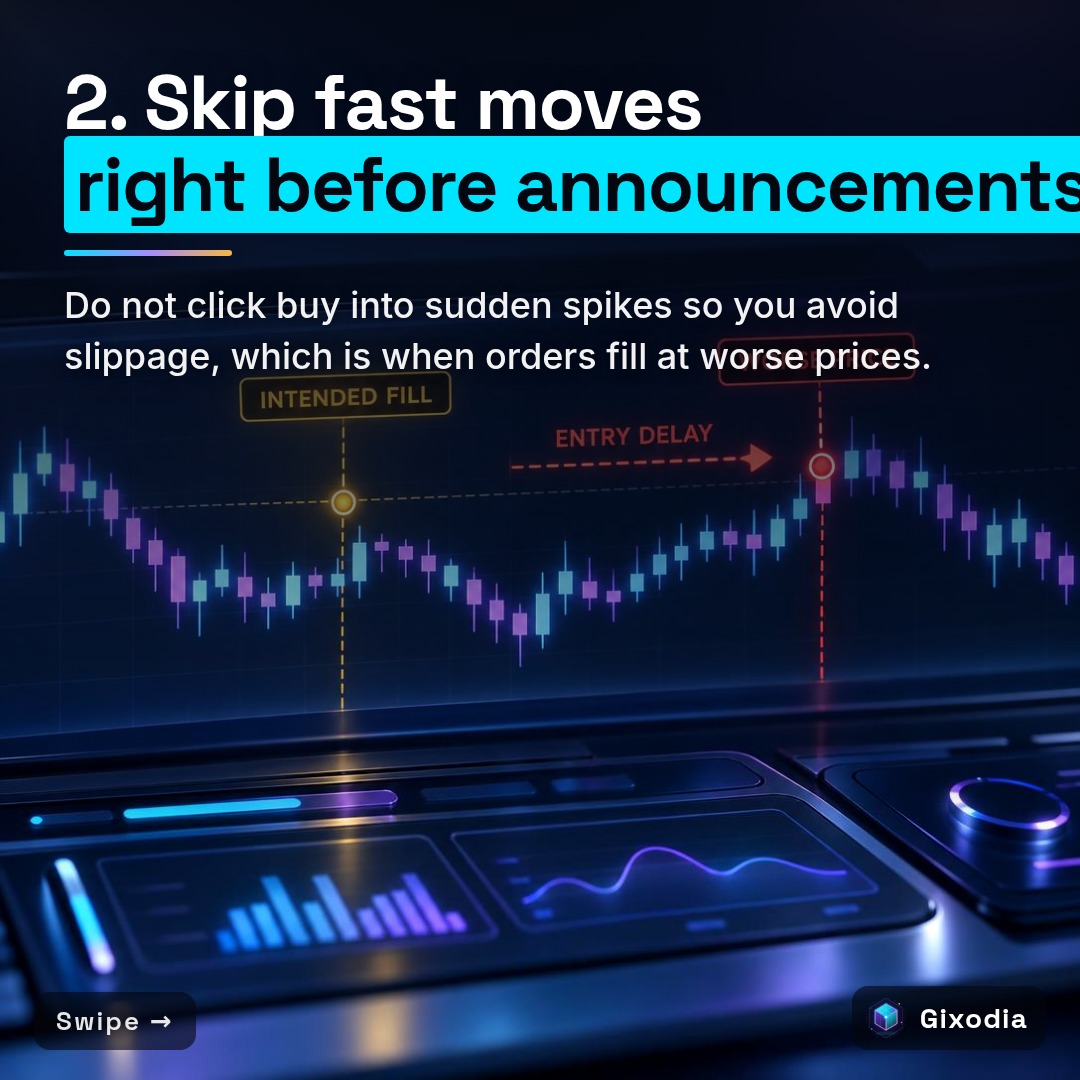
Sending a market order into a thin order book causes heavy slippage because there are not enough resting orders at top prices to fulfill your trade size. Your broker matches your order against worse price tiers deeper in the book, producing an instant loss.
A market order does not ensure a specific price. It gives you an immediate fill at whatever price happens to be available. During normal conditions, you click buy on EUR/USD, and thousands of contracts sit at the first ask tier to fill you cleanly. During a Federal Reserve release, that top tier might offer only a tiny slippage-free fraction of your required size.
When your order hits the platform, it absorbs that tiny quote and sweeps upward through higher price levels until the entire volume is completed. You might plan an entry expecting one rate, but your average fill comes back ten or fifteen pips worse. By the time you are in the trade, you are already dealing with substantial drawdown.
This dynamic explains why most retail traders lose when attempting to scalp news spikes. The fast move you see on screen has already happened by the time your order sweeps the book.
How do you protect your entries before central bank meetings?
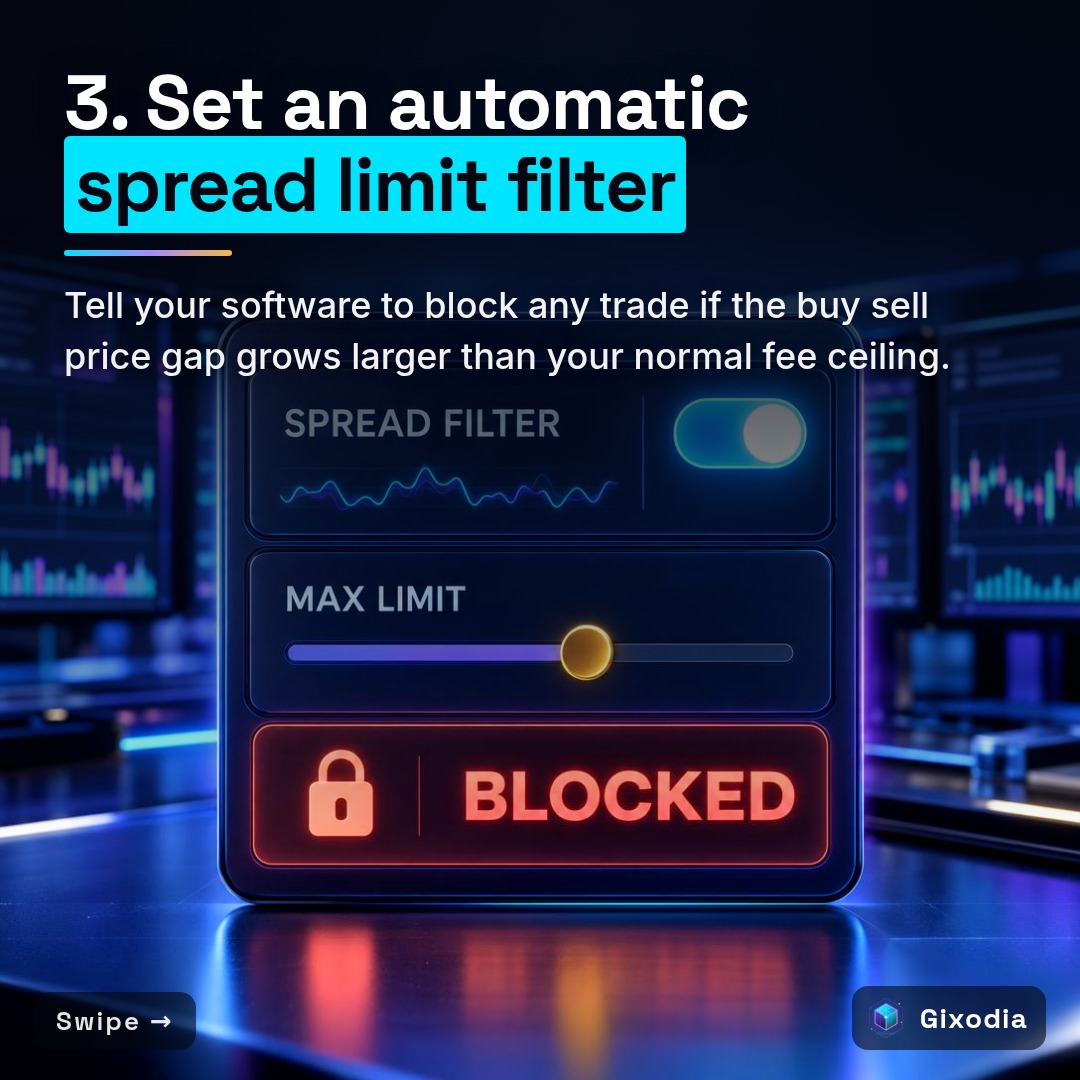
You protect your entries before central bank meetings by activating an automated spread filter, using limit orders instead of market orders, and pausing new entries until quotes compress back to normal levels. The simplest protection is stepping aside for the first five minutes of the news release.
The first practical defense is configuring your trading platform to measure real-time spreads. Both MetaTrader 5 and TradingView allow you to track the current gap. Inside an automated system or Expert Advisor, you can program a maximum spread threshold. If the normal spread on your instrument is one pip and your threshold is set to two pips, the software blocks all entries the moment quotes widen past that line.
Another necessary adjustment is avoiding market orders completely around high impact hours. A limit order specifies that you either get your target price or better, preventing you from suffering unexpected slippage in empty air if liquidity vanishes.
Professional execution strategies focus on letting the initial shock waves dissipate. For traders using automation, this is why Gixodia's trading software operates strictly by predefined rules, pausing entries or scaling down when market conditions push beyond established risk limits.
- Set a spread ceiling that locks out fresh market executions during spikes.
- Switch from market orders to resting limit orders to prevent slippage.
- Wait three to five minutes following the announcement before taking setups.
How to do it, step by step
- Audit the economic calendar. Check reliable economic calendars every morning and note the exact release times for interest rate decisions from the Federal Reserve and other major central banks.
- Turn on the ask line in your chart properties. Open your MetaTrader 5 chart properties by pressing F8, navigate to the Show tab, and check the Show Ask price line box so you can see spread expansion visually.
- Set a hard spread filter ceiling. Configure your execution settings or trading bot with a maximum spread parameter, preventing any fresh position from opening if the bid-ask gap exceeds your normal baseline.
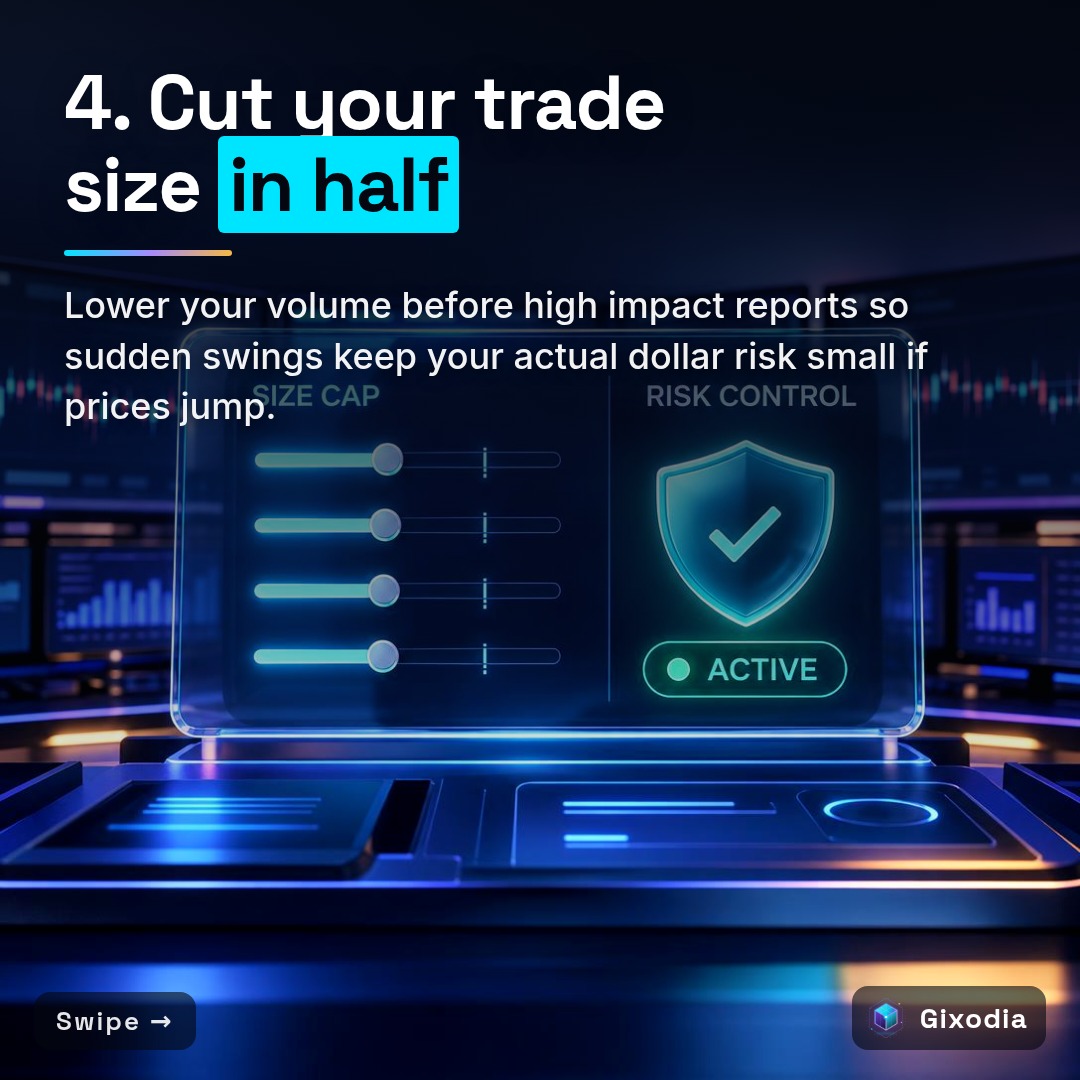
- Cut position sizes on existing trades. Reduce your trade size by half on any position you choose to leave open across the announcement window to minimize the impact of wild price swings.
- Pause new entries during the release window. Cease manual clicking and pause automated entries five minutes before the statement, resuming only after quotes return to their regular tight range.
Checklist before you take the trade
- Economic calendar verified for interest rate decisions and statement times
- Ask price line enabled on your charting software display
- Maximum spread ceiling configured inside your platform or EA
- Risk exposure reduced by dialing down open position lot sizes
- Manual and automated entry triggers paused five minutes prior to release
- Spread values confirmed back to baseline before placing new orders
Common mistakes and how to fix them
✗ The mistake: Using a tight stop loss through a Federal Reserve rate release.
✓ The fix: Remove tight stops into the event or close the position beforehand, because wide ask spikes will stop you out without breaking technical structure.
✗ The mistake: Clicking a market order the second the headline flashes.
✓ The fix: Use limit orders or wait three to five minutes until top-of-book market depth returns and spreads settle back to baseline levels.
✗ The mistake: Calculating stop loss distance purely on bid price candles for short trades.
✓ The fix: Always add the worst-case news spread onto your invalidation level when calculating your short stop loss.
✗ The mistake: Overleveraging account margin into scheduled central bank news.
✓ The fix: Maintain a wide free margin buffer so temporary spread expansion does not create sudden margin call pressure on your balance.
Frequently asked questions
Why does my broker widen the spread so much during Fed news?
Brokers pass through liquidity from interbank providers and institutional desks. When those major banks pull their resting quotes to avoid volatility, the broker has no deep market to match your order against. The spread widens naturally across the entire financial system.
How long does spread widening typically last during rate releases?
The most extreme widening happens thirty seconds before the release and stays elevated for the first two to three minutes. Once algorithms process the statement numbers and manual desks re-enter the book, spreads usually compress back toward normal levels within five to ten minutes.
Can a spread filter prevent trades from opening in MetaTrader 5?
Yes. A spread filter is an instruction that checks the live difference between the bid and ask price before sending an order ticket. If the current spread exceeds the limit you established, the software blocks the entry until trading conditions normalize.
Why did my short position get stopped out when price never reached my line?
Short positions exit at the ask price, while standard candlestick charts plot only the bid price. During the announcement, the ask price spiked upward into your stop loss even though the visual bid line never reached your order level.
Want your trading to follow fixed rules, the same way every time? Gixodia's trading software for MetaTrader 5 trades by predefined rules on your own broker account, in your own name. Try it free for 72 hours, a demo account is fine, then $499/year. Trading involves risk and you can lose money.
Sources
- Why do Forex Spreads Widen? (fxview.com)
- quora.com
- Why Spreads Change Around News and Session Opens (rockglobal.co.nz)