 GIX
Why Market Orders Face Heavy Slippage During Inflation Releases and How to Manage Execution Risk

- A stop loss functions as an instruction to exit at the next available tick rather than securing a fixed price.
- Liquidity providers pull resting quotes seconds before inflation reports go live, creating an order book vacuum.
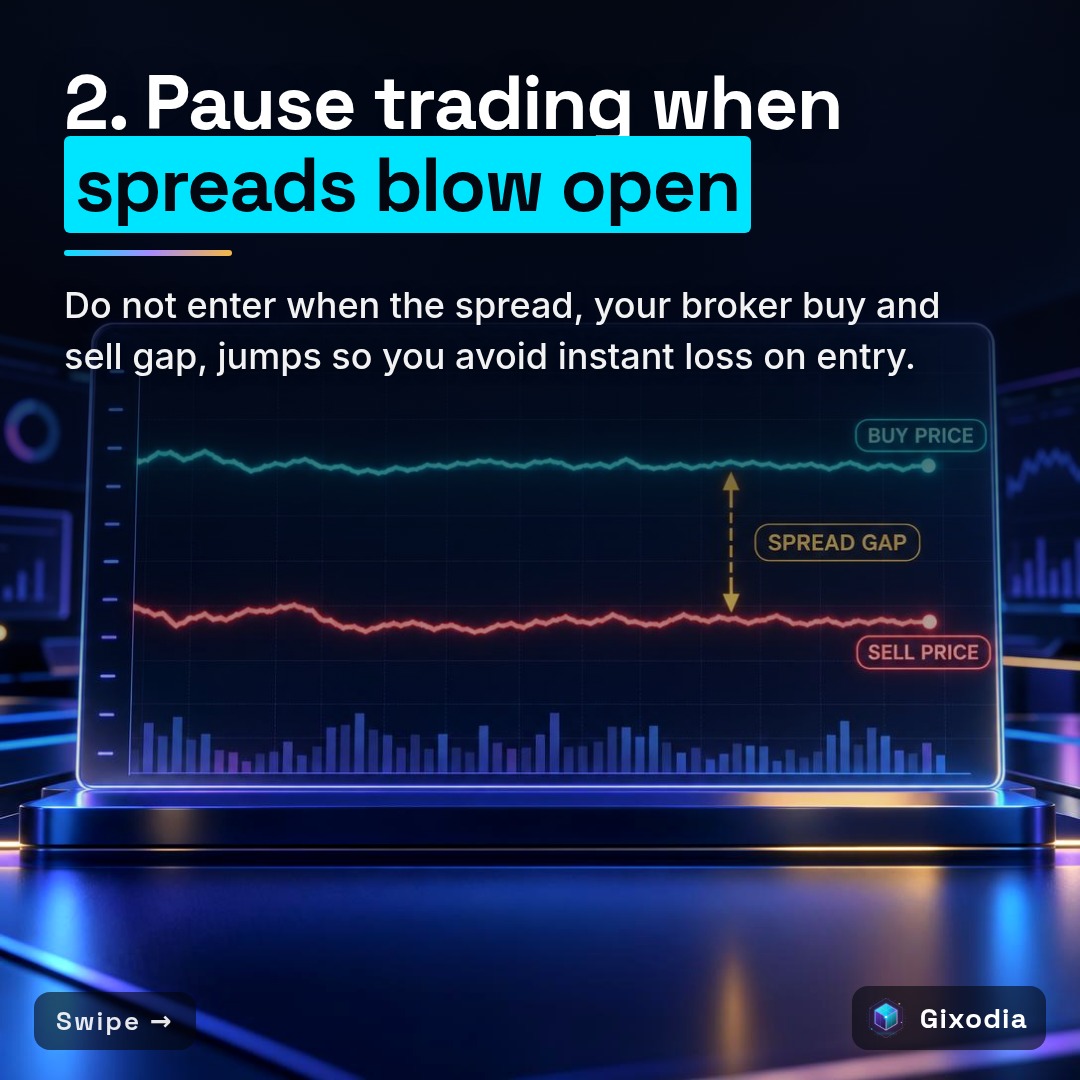
- The spread, the gap between the buy price and sell price, blows open before clean directional momentum begins.
- Straddling high-impact releases with buy stop and sell stop orders often triggers both orders into heavy slippage during rapid price whipsaws.
- Setting strict deviation thresholds in MetaTrader 5 blocks fills when quotes jump beyond your preset tolerance.
What is execution slippage during high-impact news?
Slippage is the numerical difference between the expected price shown on your chart and the real price your broker delivers when the order fills. During high-impact economic news releases, fast-moving quotes and missing market depth cause fills to land much worse than what you saw on screen.
When you review understanding spread commission slippage, you find that execution quality depends entirely on who is willing to take the other side of your position. In calm markets, deep liquidity pools absorb standard volume easily. If you want to buy EUR/USD, dozens of institutional participants offer fractional quotes right at the tick you see on your chart.
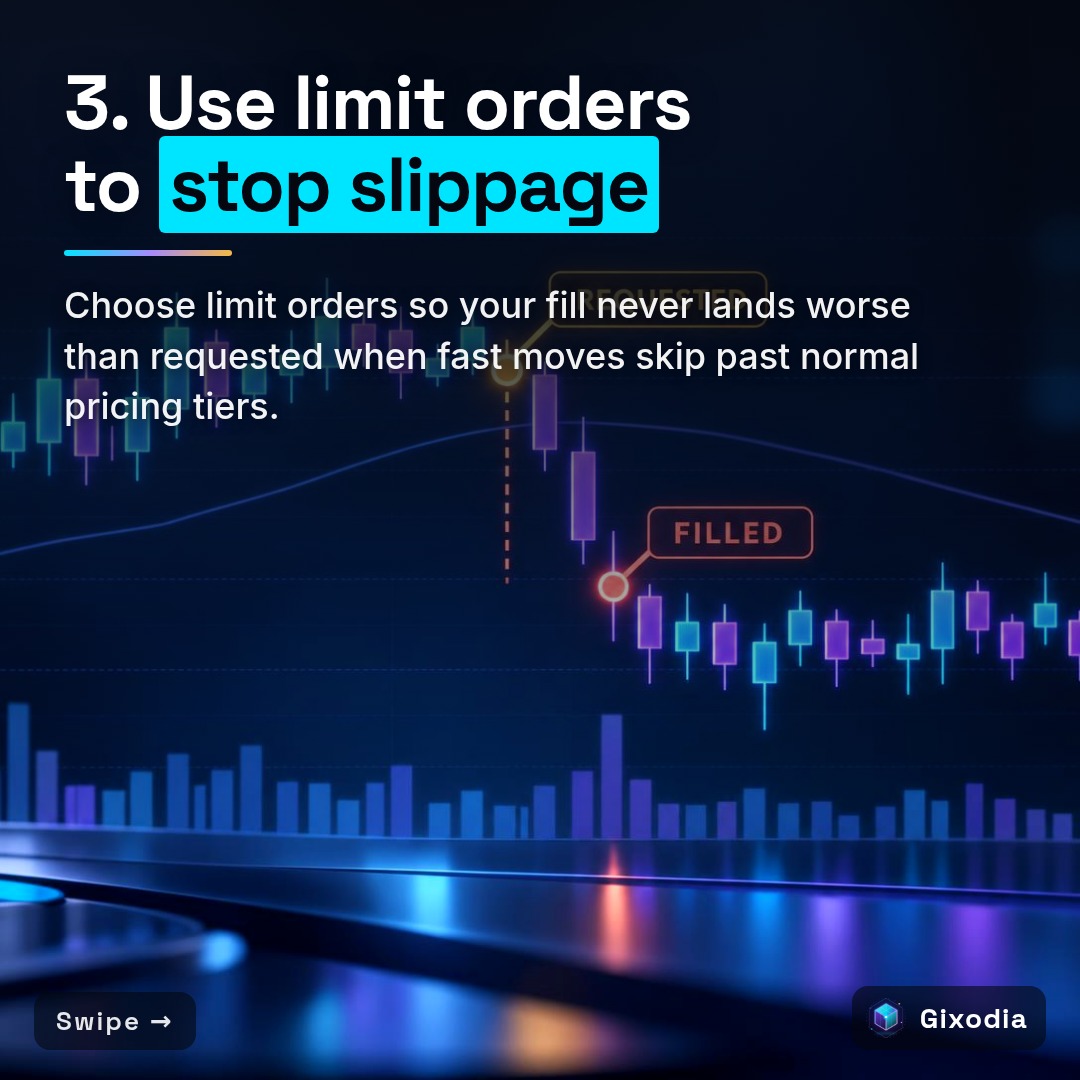
High-impact macroeconomic releases, particularly the US Consumer Price Index (CPI) and Personal Consumption Expenditures reports, flip those conditions upside down. Major liquidity institutions pull their resting quotes off the order book to shield themselves from rapid inventory repricing. When liquidity evaporates, the market enters a temporary vacuum. If you press buy, there are no standing asks near your price, so your order fills at the next available quote hundreds of ticks higher.
- Expected fill: The quote displayed on your platform at the exact millisecond you trigger the trade.
- Actual fill: The first available price tier in the broker order book with enough volume to match your order size.
- Slippage cost: The instant negative balance created when execution lands far beyond the initial quote.
Why do liquidity providers pull bids before inflation numbers hit?
Liquidity providers pull resting orders seconds before inflation numbers hit because holding inventory during surprises creates severe balance sheet risk. Rather than selling into an unexpected surge or buying into a collapse, institutional desk algorithms cancel resting quotes until new macro pricing stabilizes.
Understanding how forex markets work reveals that retail trading platforms do not generate prices out of thin air. Your broker streams quotes aggregated from top-tier institutional clearing banks and electronic communication networks. These institutions deploy strict risk parameters designed to avoid trading against fresh fundamental data.
Because unexpected consumer inflation prints directly alter expectations for interest rate policy, algorithms at major desks step back fifteen to thirty seconds before the scheduled clock strike. By withdrawing resting orders, these institutions ensure they do not sell cheap contracts right before a violent rally. The direct result on the retail screen is an abrupt expansion of the spread, the gap between the buy price and the sell price, alongside an almost empty order book.
- Resting limit orders disappear from market depth tables right before the release.
- Spreads widen by multiples of their everyday baseline.
- Small market orders sweep through multiple price steps instead of filling at one stable level.

How do stop loss orders turn into market fills during price spikes?
A stop loss order turns into a market fill because it is simply a trigger mechanism, not a promise of an exact price. The moment price trades through your stop level, the platform converts the order into an immediate market order that takes whatever price sits next in the thinned order book.
A frequent misconception among new traders is that a stop loss locks in an exact dollar boundary. As documented by trading platform guides and exchange rules, a conventional stop is an order that requests market execution once touched. If a sudden CPI figure causes gold (XAU/USD) to gap twenty points over a fraction of a second, there are simply no buyers or sellers at the intermediate numbers.
When the price skips right over your stop boundary, your platform sends an order into the void. It takes the next available contract price in line. If you are learning risk management mt4 ea, recognizing this mechanical reality is vital. You cannot rely on a tight stop market order to protect an oversized position when the book contains wide price voids.
| Order Type | How It Behaves at the Release | Risk Profile During Volatility |
|---|---|---|
| Market Order | Fills immediately at the next available quote in the book | High risk of deep negative slippage and instant loss on entry |
| Stop-Market (Stop Loss) | Converts to a market order immediately after its price level is hit | Fills worse than specified if prices gap past resting book depth |
| Stop-Limit Order | Triggers a resting limit order with a preset maximum boundary price | Zero negative slippage beyond the limit price, though the position can remain open |
| Resting Limit Order | Demands your stated price or a better fill | Provides strict price control, though fast candles can bypass your level entirely |
Why does the straddle strategy fail during CPI prints?
The straddle strategy fails during CPI prints because resting buy stop and sell stop orders trigger into wide spreads and violent whipsaws. Instead of catching a clean directional trend, the widening spread often fills both stop orders at the worst possible prices before reversing rapidly.
Many traders attempt to trade inflation news by placing a buy stop just above the consolidation range and a sell stop just below it minutes before the release. The theory suggests the market will explode in one direction, leaving one winning trade while the other remains untouched or gets cancelled. In real execution environments, this approach frequently produces two catastrophic entries.
When the release occurs, the bid-ask spread expands outward instantly. The ask jumps upward to trigger the buy stop at a heavily slipped price, while the bid drops downward to trigger the sell stop at an equally terrible level. Within two seconds, the trader ends up long at the absolute peak and short at the absolute bottom, holding two losing positions on widening spreads.
This dynamic explains why most retail traders lose when gambling around macroeconomic announcements. The whipsaw empties balance reserves before any steady trend establishes itself.
How can you configure MetaTrader 5 to stop runaway slippage?
You can configure MetaTrader 5 to stop runaway slippage by applying deviation limits on order execution, switching to stop-limit orders, or establishing automated blackout periods. These platform settings reject or pause order routing when current market pricing exceeds your predefined parameters.
MetaTrader 5 provides specific order architecture to handle volatile liquidity conditions. When placing orders or configuring software settings, traders can specify a maximum Deviation value in points. In execution modes where deviation controls are supported, if the server detects that the market price has moved past your set tolerance, the platform declines to fill the order at runaway rates.
Another structural defense is changing standard stop orders into Stop-Limit orders, such as Buy Stop Limit or Sell Stop Limit on MT5. Instead of converting into a dangerous market order that accepts any price, a stop-limit creates a resting limit order at a specified maximum boundary. If the market skips past your limit, you do not get filled at a devastating quote, although you must accept the risk of remaining open in the trade.
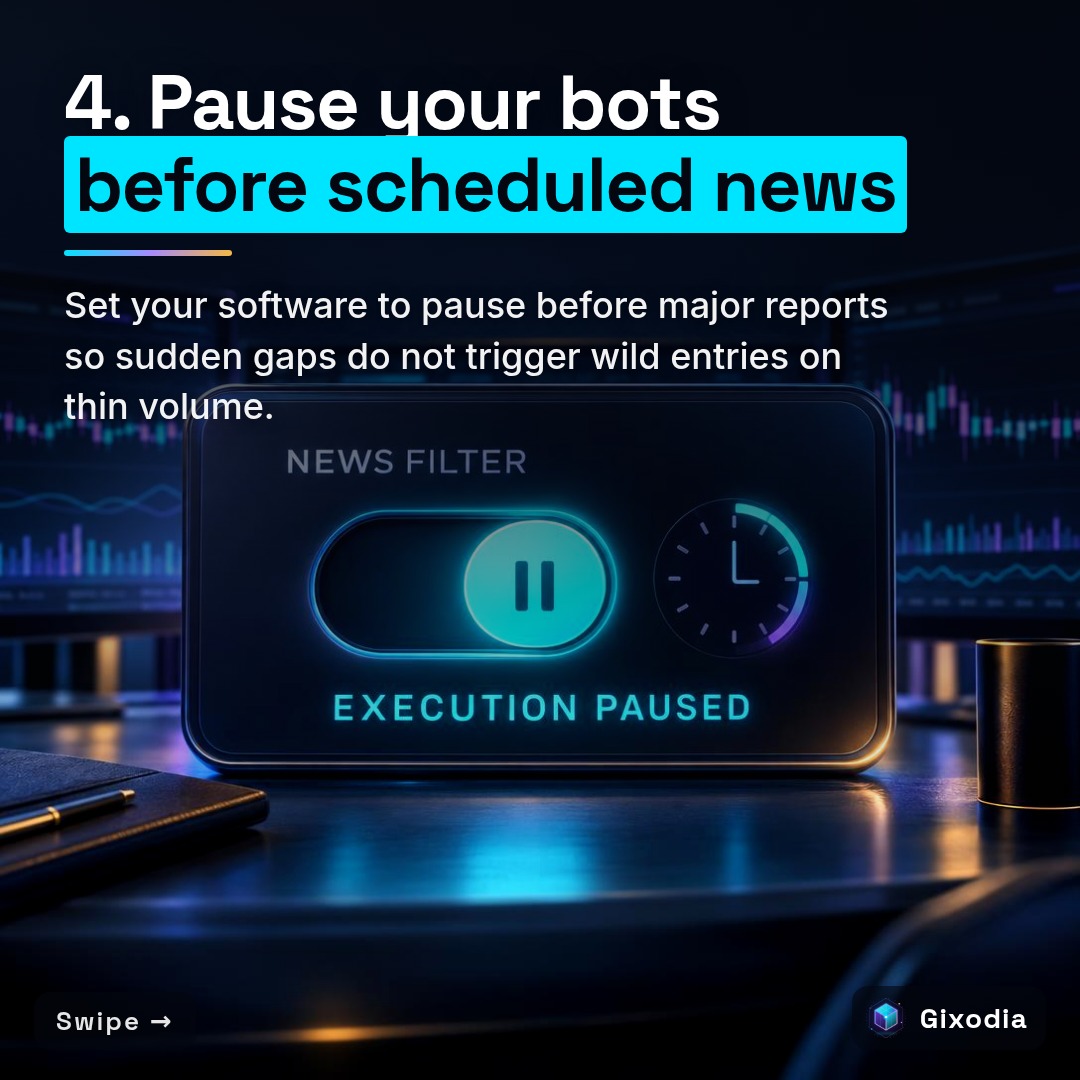
Automated systems built with disciplined logic address this by removing human hesitation entirely. Gixodia's trading software runs on MetaTrader 5 and trades by predefined rules, the same way every time. Rather than attempting to guess volatile news prints, rule-based systems can enforce scheduled pauses or scale down activity as predefined exposure limits approach.
- Use the Deviation setting in MT5 order dialogs to cap maximum acceptable points of slippage.
- Implement Stop-Limit orders instead of standard market orders for planned breakout entries.
- Adopt an execution blackout window that blocks entries five to fifteen minutes around major releases.
How to do it, step by step
- Audit your economic calendar. Open your MetaTrader 5 economic calendar tab or a trusted macro tracking calendar on Monday morning. Filter specifically for high-impact inflation events such as US CPI, PCE, and core inflation releases.
- Enforce a fifteen-minute pre-release freeze. Cease all new manual entries at least fifteen minutes prior to the scheduled data drop. If running automated execution, ensure your rules pause new orders well before liquidity begins to drop off.
- De-leverage open positions. If you hold multi-day swing positions that must remain open through the release, cut position sizes substantially. Reducing exposure gives your account the buffer needed to absorb wider spreads without hitting margin limits.
- Configure maximum slippage deviation in MT5. Inside your MetaTrader 5 trade settings or Expert Advisor inputs, set the maximum deviation parameter to a realistic threshold. This prevents orders from filling when prices jump past your tolerance.
- Wait for spread normalization. Allow five to fifteen minutes after the news release before considering new entries. Watch the bid-ask spread on your chart until it contracts back to its everyday baseline level.
Checklist before you take the trade
- Check the weekly economic calendar for red-tier inflation announcements
- Confirm your software or manual plan halts new trade entries before the data release
- Verify that deviation limits are configured inside MetaTrader 5
- Replace standard breakout stop-market orders with stop-limit orders
- Measure current broker spread width to ensure it has returned to normal before trading
- Confirm that account exposure remains scaled down while volatility settles
Common mistakes and how to fix them
✗ The mistake: Believing a stop loss provides an absolute fill price
✓ The fix: Remember that a triggered stop converts into a standard market order, so calculate your worst-case risk with wide padding around major news.
✗ The mistake: Using a dual stop straddle right before the release
✓ The fix: Ban news straddles entirely, as spread expansion almost always triggers both orders at terrible prices during whipsaws.
✗ The mistake: Clicking market buy or market sell on the initial one-minute spike
✓ The fix: Wait five to fifteen minutes for liquidity providers to return and for the bid-ask spread to settle down before entering.
Frequently asked questions
Why does slippage occur mostly on market orders?
Market orders instruct your broker to fill your position immediately at whatever price is available in the order book. When major news wipes out resting limit orders near current levels, your order sweeps deeper into the book to find matching contracts.
Can positive slippage happen during an inflation release?
Positive slippage can occur when you use resting limit orders and price jumps favorably through your level. However, fast markets usually move with wide bid-ask spreads, making adverse negative slippage much more common on market orders.
How long does liquidity stay thin after a CPI release?
Order books typically stay thin and erratic for the first two to five minutes after the numbers hit. Spreads usually take between five and fifteen minutes to compress back to their normal daily averages.
Does MetaTrader 5 have built-in protection against news slippage?
MetaTrader 5 allows traders to specify a Deviation parameter on orders, which rejects or requotes fills if the market jumps beyond a certain point limit. MT5 also supports Stop-Limit orders to prevent runaway market fills.
Want your trading to follow fixed rules, the same way every time? Gixodia's trading software for MetaTrader 5 trades by predefined rules on your own broker account, in your own name. Try it free for 72 hours, a demo account is fine, then $499/year. Trading involves risk and you can lose money.
Sources
- pineconnector.com
- Mastering stop-market orders — TradingView (tradingview.com)
- 6 High-Impact News that can cause Negative Slippage in Prop Trading ‣ RebelsFunding (rebelsfunding.com)
- Why Am I Experiencing Execution Delay or Slippage in MT4/MT5? (support.devrev.ai)