 GIX
Why Market Spikes Thin Liquidity During Major News and How Automated Rules Protect Execution

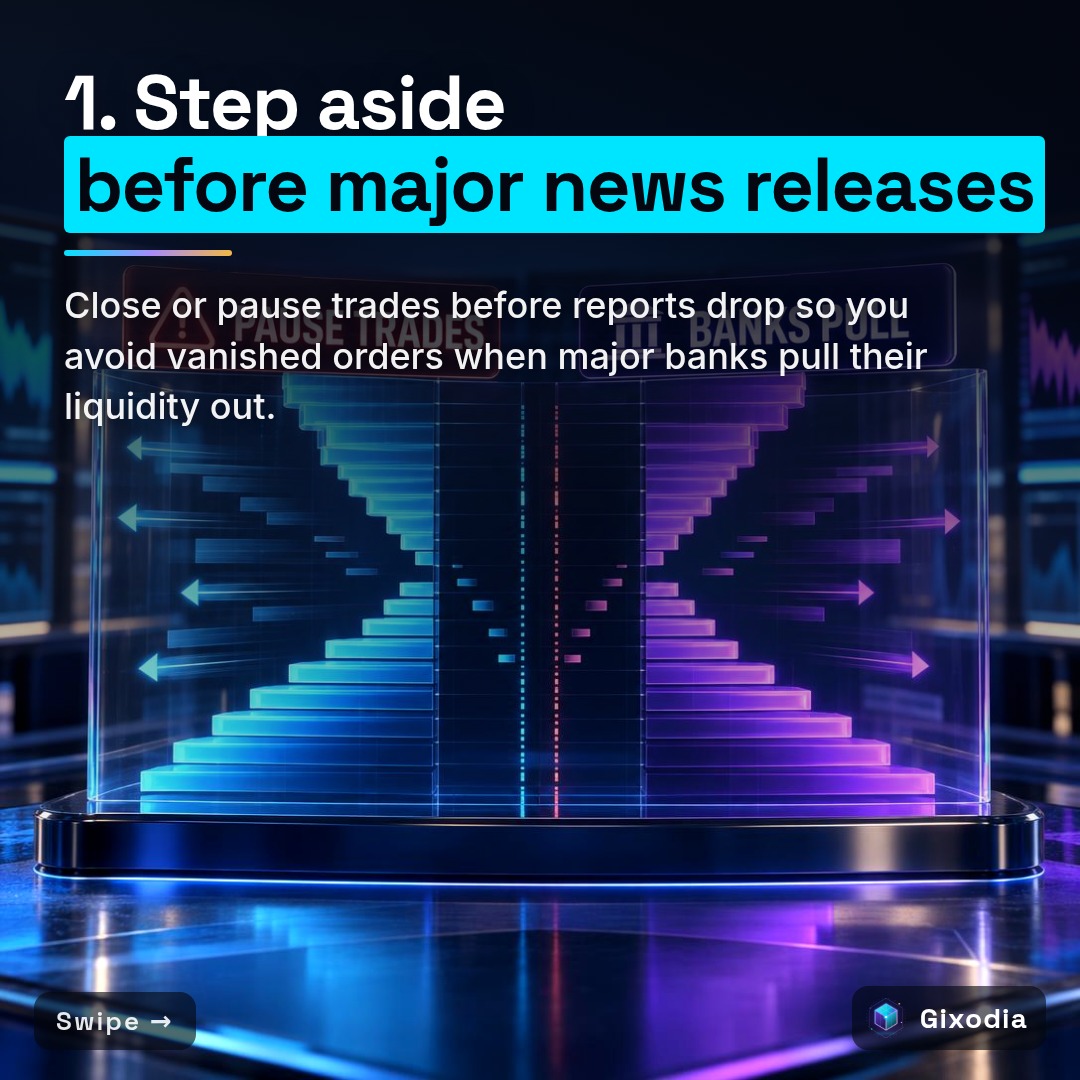
- Liquidity providers pull resting quotes seconds before major news releases to avoid holding unwanted inventory.
- A market order does not assure a specific price; it only instructs the platform to fill at whatever quote the book offers.
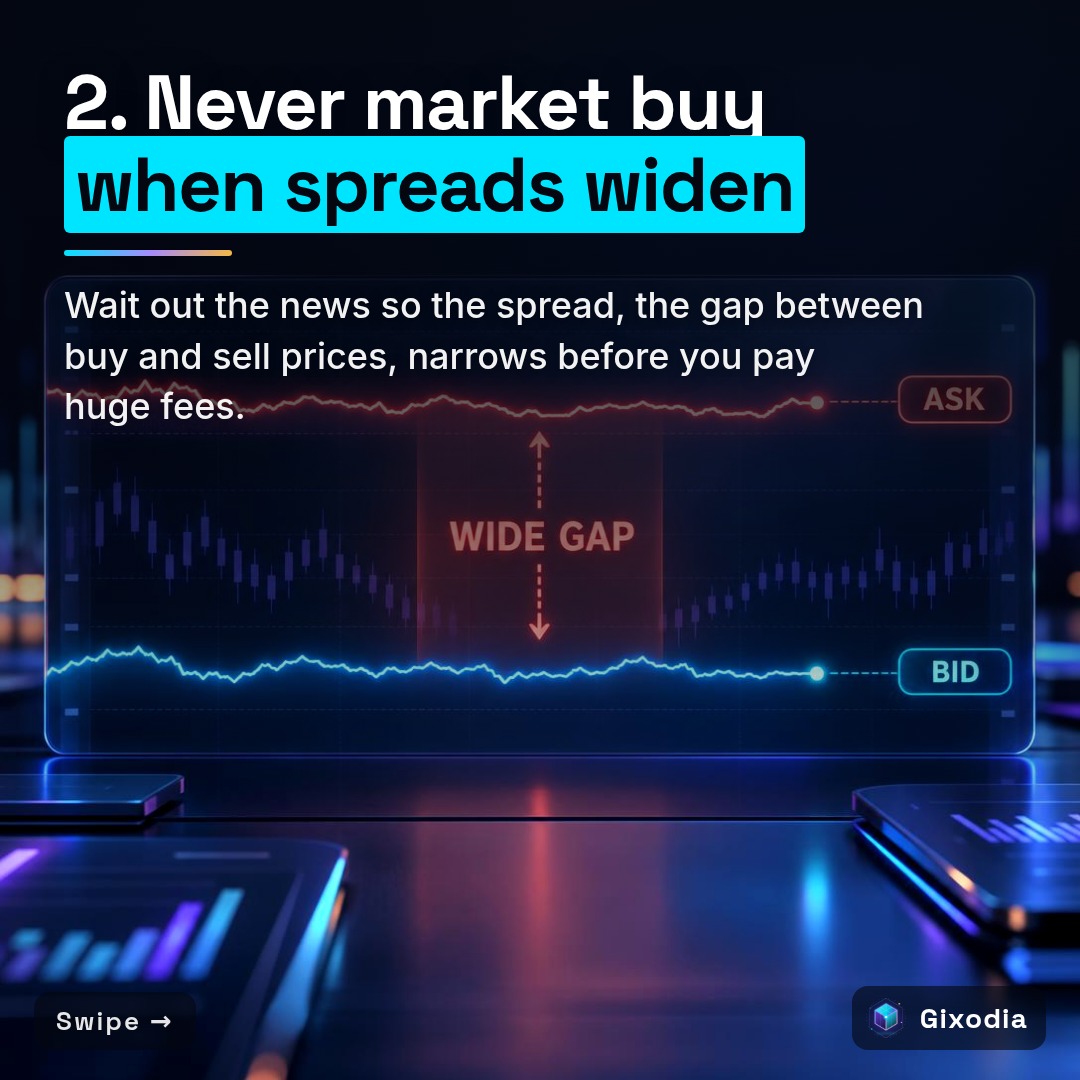
- The spread is the difference between the buy and sell price, and it widens drastically when liquidity vanishes.
- Using fixed deviation settings on MetaTrader 5 prevents your order from filling if price slips beyond your boundary.
- Automated execution rules enforce trade pause windows and risk caps without human hesitation or panic.
What happens to order book liquidity during major news?
Liquidity in an order book drops instantly during major news because automated market makers and institutional banks cancel their resting limit orders seconds before the data release. This protective step leaves the market depth thin, causing incoming market orders to jump several price levels without meeting counterparty volume.
In normal trading conditions on pairs like EUR/USD, the order book contains thousands of resting buy and sell orders. When a tier-one economic release such as US Non-Farm Payrolls or inflation data lands on the calendar, holding inventory becomes dangerous for institutions. Market makers have no interest in guessing the numbers. To avoid being caught on the wrong side of a massive directional imbalance, their algorithms withdraw quotes milliseconds before the clock strikes [cite: 1, 4].
The result is a sudden liquidity gap. The depth of market, which is the total volume of limit orders waiting at nearby price tiers, essentially disappears. When retail traders hit buy or sell buttons during this moment, there is no large pool of resting contracts to absorb the volume. Price leaps straight into empty air, creating an aggressive candle that skips regular tick increments. Understanding how forex markets work under the hood helps you see that price does not just travel smoothly; it jumps to wherever someone is willing to take the other side.
- Quote withdrawal happens automatically across major electronic networks.
- Order book depth thins out to a fraction of its normal volume.
- Bid and ask quotes drift apart, creating sudden price leaps.
Why does slippage expand so rapidly on market orders?
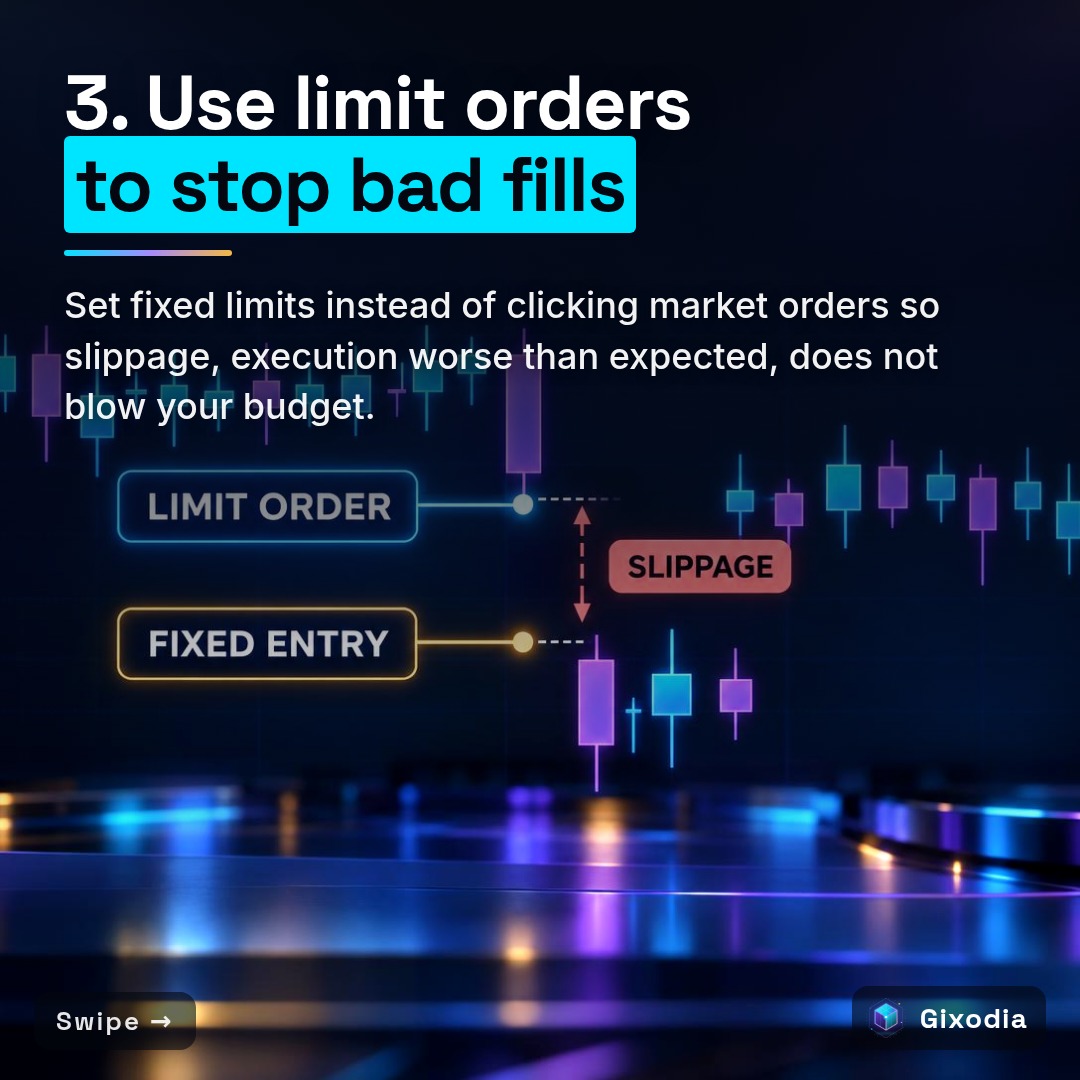
Slippage expands rapidly on market orders because a market order instructs the broker to fill the trade immediately at the next available market price, regardless of cost. In a thin order book, the next available price can sit tens of pips away from the quoted rate.
Many traders believe clicking buy locks in the price showing on their chart. In reality, a market order only demands immediate execution, never the price [cite: 1, 2]. Slippage is the difference between the price you requested and the price your broker actually delivered [cite: 3]. If you click buy on EUR/USD at 1.0850 right as economic data releases, but the nearest resting seller has pulled back to 1.0862, your trade fills at 1.0862. You start the position twelve pips in the red before the market even moves further.
This dynamic is especially sharp when trading gold against the US dollar. Gold has higher volatility and wider natural tick sizes, meaning thin liquidity translates into severe gaps. If you trade manual setups, check our guide on gold trading institutional edge to understand how sudden order sweeps operate. When you understand understanding spread commission slippage, you realize that entering during an active spike is the fastest way to surrender your statistical edge to execution friction [cite: 3].
- Market orders prioritize immediate fill speed over price accuracy.
- Thin order books force execution to sweep deeper into less favorable tiers [cite: 4].
- Slippage can be positive or negative, but headline spikes overwhelmingly produce negative slippage [cite: 2].
How do widened spreads amplify trading losses during spikes?
Widened spreads amplify trading losses by creating an immediate execution barrier that requires price to travel significantly further just to reach break even. If the spread expands from one pip to fifteen pips, a trader incurs an instant, steep cost upon fill.
The spread is simply the gap between the buy price and the sell price. Under normal conditions, major currencies enjoy tight spreads thanks to steady liquidity from participating banks. When news hits and those banks pull back, the few liquidity providers remaining widen their pricing spreads to protect themselves from adverse price discovery [cite: 1].
For anyone running stop orders, this spread expansion poses a direct threat. A stop loss on a buy order triggers when the bid hits your level. If the spread blows out, the bid can drop and tag your stop loss even while the chart's main line appears to stay above it. That is one of the primary reasons why most retail traders lose when trying to scalp the news: they plan for directional moves, but the sudden widening of the spread stops them out before the market ever picks a true direction.
- Wider spreads create immediate negative equity on order entry.
- Trigger prices on resting stops get touched prematurely by widening bid prices.
- Short term scalping targets become unviable until pricing spreads normalize.
| Execution Feature | Uncontrolled Market Orders | Automated Rule Execution |
|---|---|---|
| Order Book Depth | Sweeps empty levels and absorbs wide fills | Waits for spread stability or uses protected limits |
| Slippage Handling | Accepts any fill price the broker delivers | Rejects or caps orders exceeding maximum deviation |
| Stop Loss Discipline | Traders widen stops manually in panic | Executes preset hard stops automatically |
| Position Sizing | Static lots face outsized losses on gaps | Scales down lot sizes when volatility spikes |
How do automated rules prevent bad fills and slippage?
Automated rules prevent bad fills by enforcing maximum price deviation boundaries, pausing trade submissions during high impact news windows, and replacing raw market orders with limit structures. These hardcoded settings stop the trading platform from accepting fills that drift beyond acceptable parameters.
Trading platforms like MetaTrader 5 offer tools to protect execution if you know how to configure them [cite: 3]. One vital feature is the maximum deviation parameter. When you or an algorithm submit an order with a deviation rule, the platform checks the difference between the requested quote and the fill price. If the order drifts further than your defined limit, the platform rejects the fill rather than absorbing bad slippage [cite: 2].
Software rules also eliminate human hesitation and emotional mistakes [cite: 2]. When a human trader sees a massive candle shoot upward, fear of missing out tempts them to click market buy into the spike. An automated Expert Advisor built on clear criteria simply follows its instructions. Gixodia builds algorithmic software for MetaTrader 5 that trades by predefined rules, the same way every time, free of hesitation, fatigue and emotion, so it does not trade in a panic. As a risk limit you set gets close, it scales down, and it pauses at that limit. It does not try to predict the market; it enforces discipline.
- Deviation controls reject executions if slippage exceeds preset points [cite: 3].
- Automated schedule filters pause entries during volatile news windows.
- Rule-based systems eliminate the impulsive urge to chase runaway spikes.
Why do manual traders fail to manage risk during high volatility?
Manual traders fail during high volatility because extreme speed activates psychological panic, leading to delayed decisions, revenge trading, and the dangerous habit of moving stop losses further away. Human reaction times are simply too slow to process and manage tick-by-tick book gaps safely.
A major news candle can travel fifty pips in less than two seconds. A human trader staring at the screen requires hundreds of milliseconds just to recognize the visual move, decide on an action, and click the mouse. By that time, the quote has changed multiple times over. The platform might freeze or return a requote, leading to frustration and repeated frantic clicks.
Worse than slow clicks is the psychological breakdown. When the market moves against an open position at high velocity, fear convinces the trader to drag their stop loss further down, hoping the spike is just a temporary wick. This turns a controlled risk into an outsized drawdown. Reading about the psychology of automated trading highlights how taking human emotions out of trade management protects accounts from these catastrophic mental slips.
- Human reaction latency cannot compete with algorithmic repricing.
- Emotional bias prompts traders to remove stops right when volatility is highest.
- Frantic clicking during order book freezes leads to duplicate accidental positions.
How to do it, step by step
- Check the daily news calendar. Identify all high impact economic events scheduled for your traded pairs before the session begins, noting exact release times.
- Activate news pause parameters. Configure your execution software or operational routine to pause new trade entries five minutes before and after high impact announcements.
- Set maximum deviation in MetaTrader 5. Open your MetaTrader 5 order settings and set the deviation parameter to a strict threshold in points, preventing fills beyond your comfort zone.
- Switch from market orders to limit orders. Place resting limit orders at calculated support and resistance levels rather than submitting market orders into active candles.
- Reduce position size ahead of volatility. Cut standard trade volumes by half when trading through sessions known for elevated macroeconomic uncertainty.
- Audit resting stop orders. Verify that stop loss parameters sit active on the server side so unexpected book gaps do not leave positions open without protection.
Checklist before you take the trade
- Economic calendar checked for red folder releases today
- Maximum deviation threshold configured inside MetaTrader 5
- Automated news filter enabled on the trading software
- Lot size adjusted downward to account for wider spread potential
- No unconstrained market orders submitted during the release window
- Fixed stop loss attached directly to every active position
Common mistakes and how to fix them
✗ The mistake: Submitting a market order right as high impact news numbers cross the wire.
✓ The fix: Wait several minutes for the bid ask spread to return to standard baselines before entering the market.
✗ The mistake: Moving a stop loss further away when a news candle spikes against the position.
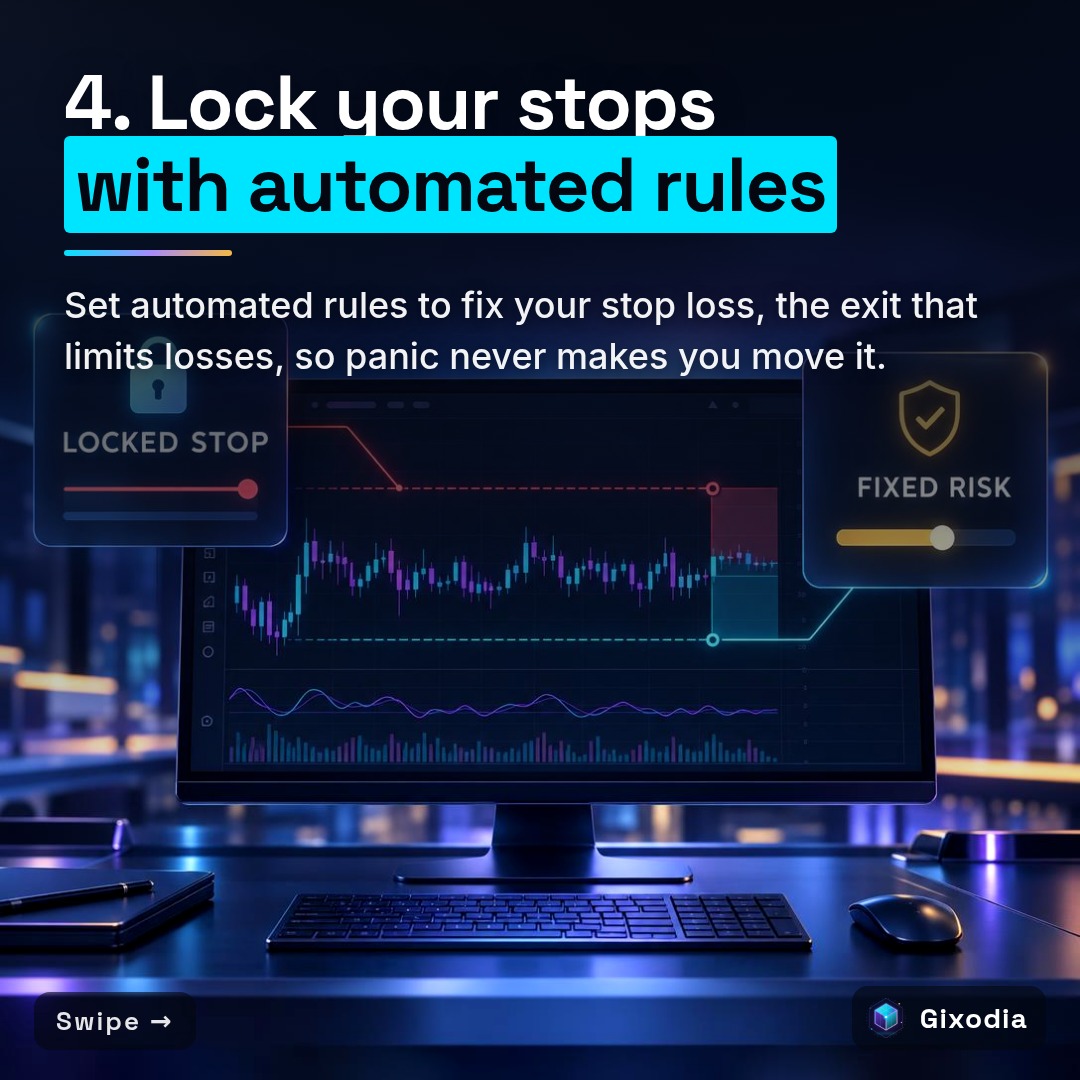
✓ The fix: Hardcode your stop loss at order placement and let automated rules execute the exit without interference.
✗ The mistake: Leaving standard lot sizes active during known periods of extreme price volatility.
✓ The fix: Scale down trade sizes to ensure unexpected slippage points only impact a modest fraction of your balance.
Frequently asked questions
Why does slippage happen more often during news releases?
Slippage occurs during news releases because institutional market makers pull resting quotes from the order book. When there are fewer orders waiting to absorb incoming trades, price must jump multiple levels to find a matching counterparty, resulting in fills far away from your requested price.
Can automated software completely prevent slippage on stop loss orders?
No trading software can prevent all slippage on standard stop orders. In a severe gap where trading skips intermediate prices entirely, a stop order converts to a market order and fills at the first available trade price in the market.
What is the maximum deviation setting in MetaTrader 5?
The maximum deviation setting in MetaTrader 5 is a parameter that defines how many points of price slippage you are willing to accept on an order. If the market moves beyond that specified point limit before your order executes, the platform rejects the fill.
Is it safer to use limit orders instead of market orders during news?
Yes, limit orders are safer for controlling price because they dictate the exact price or better at which you are willing to buy or sell. If the market jumps past your limit price without available volume, the order simply remains unfilled rather than filling at a worse price.
Want your trading to follow fixed rules, the same way every time? Gixodia's trading software for MetaTrader 5 trades by predefined rules on your own broker account, in your own name. Try it free for 72 hours, a demo account is fine, then $499/year. Trading involves risk and you can lose money.
Sources
- equiti-sigma.com
- pineconnector.com
- What is slippage in trading, and how to measure yours (metakit.cloud)
- Slippage in Trading: What It Is, How It Works and How to Reduce It (bookmap.com)