 GIX
How to Manage Risk When Opposing News Headlines Hit the Market

- Opposing headlines cause market ranges to coil tightly before breaking violently in one direction.
- Cutting position volume in half when price swings expand prevents normal volatility from causing outsized balance drops.
- A stop loss is an exit instruction to execute at the market, not a promise of a specific fill price.
- Setting a hard daily loss cap keeps unexpected headline spikes from damaging your core trading capital.
- Trading by predefined rules eliminates emotional hesitation when fast price breaks occur.
What happens to price action when opposing news headlines hit?
When opposing news headlines hit the market, price compresses into a tight consolidation as buyers and sellers clash, followed by a violent breakout. The market quickly exhausts bids or offers on one side, creating wide candle wicks, sudden gaps, and erratic swings.
Conflicting reports frequently drop within minutes of each other. For example, a report might suggest strong growth for the US dollar while a separate release signals falling interest rate expectations. You might also see supply increases reported alongside shipping disruption warnings in gold. Because both bulls and bears find justification for their bias at the exact same moment, price coils into a narrow band before releasing violently in a single direction.
During this tug-of-war, order flow becomes unbalanced. Traders holding standard volume find their positions whipsawed as market depth temporarily vanishes. Understanding how forex markets work under these conditions helps you recognize why regular technical levels often fail during the initial clash.
- Price compresses tightly inside a narrow channel while conflicting reports hit news feeds.
- Liquidity pulls back, causing the spread, the gap between the buy and sell price, to widen rapidly.
- The eventual break moves with speed, leaving little time for manual reactions.
Why must you scale down position sizing during news clashes?
You must scale down your position size during news clashes because market point swings double or triple in size. Cutting your lot volume in half ensures that expanded candle ranges create the exact same dollar risk as standard market conditions, keeping your capital safe.
Risk management is calculated in cash, not just chart points. If your EUR/USD trade normally risks 15 points with a standard position, a conflicting news announcement can easily stretch that move across 45 points in seconds. Keeping your standard volume turns a regular trading loss into an outsized hit to your balance. Learning pip and lot size explained properly lets you adjust math before the event occurs.
When you cut your volume ahead of time, you give the trade room to breathe without risking an account blow-up. A smaller position allows your stop loss to sit beyond erratic headline spikes while keeping your total exposure strictly within your personal risk tolerance.

How does slippage affect stop orders when markets whip back and forth?
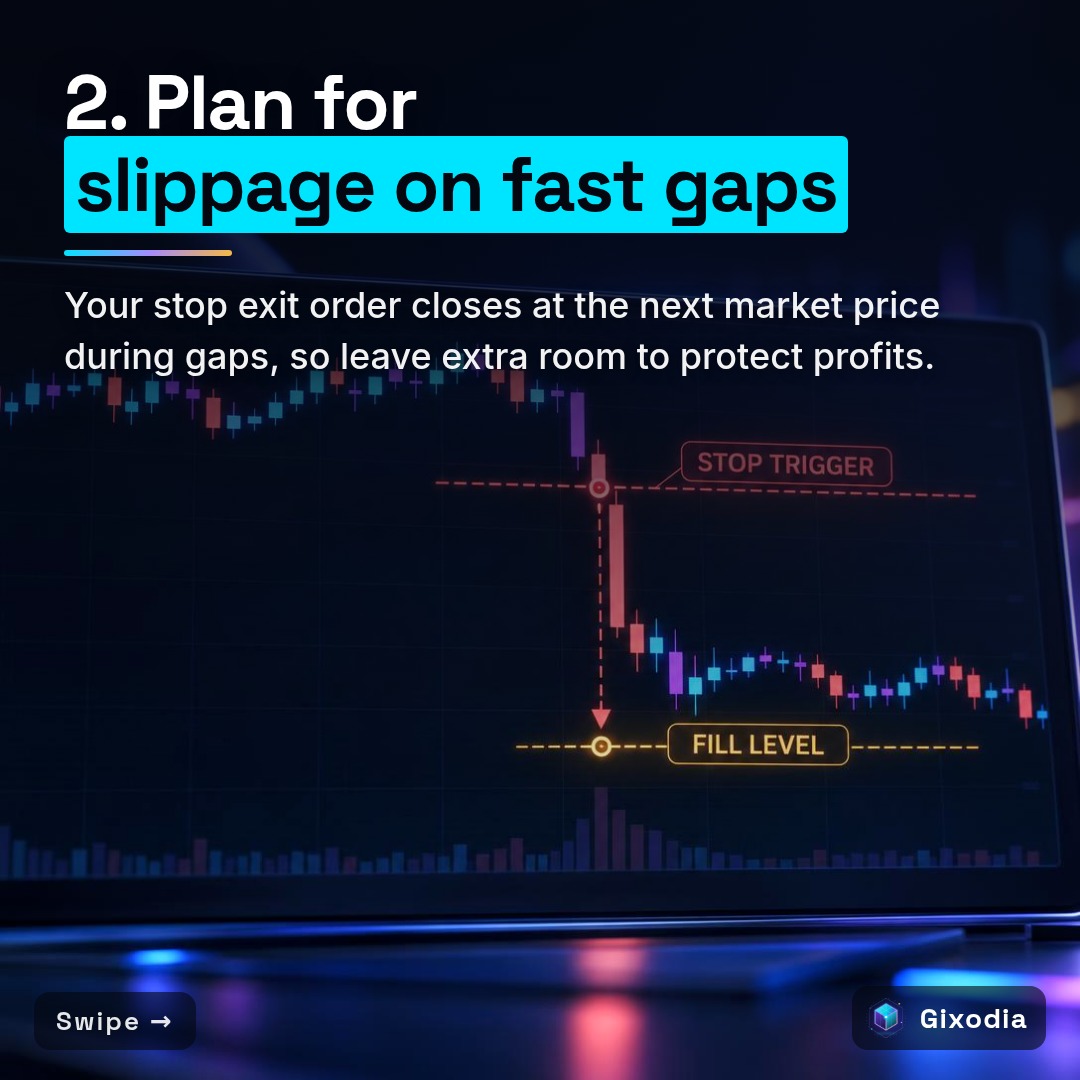
Slippage occurs during headline whipsaws because a stop loss is a market trigger rather than a fixed execution price. When fast moves create quote gaps, your broker fills your exit at the next available quote, which can sit beyond your intended chart line.
Many traders make the mistake of believing their exit line is an absolute barrier. In fast markets, if gold quotes jump over your price from one millisecond to the next, there are simply no buyers or sellers at your chosen number. Your order executes at the prevailing rate, creating slippage and gaps that alter your risk math.
Preparing for this gap means keeping extra cash buffers inside your trading plan. You do not place stops directly against high-traffic liquidity levels where slippage clusters. Instead, calculate your total risk with the expectation that execution during headline spikes will deliver a slightly worse rate than what appeared on your screen.
- Stop loss orders turn into market execution commands the moment their price trigger is touched.
- Sudden headline bursts create empty spaces between price updates where no trades occur.
- Wider buffers protect your account balance against executions that jump your intended line.
| Trading Condition | Normal Liquid Market | Opposing News Whipsaw |
|---|---|---|
| Bid-Ask Spread | Tightly held near average baselines | Expands rapidly as market participants pull orders |
| Stop Loss Fill Price | Executes precisely at or very near requested quote | Executes at the next available quote, causing slippage |
| Price Volatility | Orderly candle movement across standard intervals | Rapid compression followed by sudden long-range candles |
| Safe Risk Approach | Standard lot sizing aligned with account strategy | Halved volume with hard account-level loss caps |
What makes a hard daily loss limit essential for news volatility?
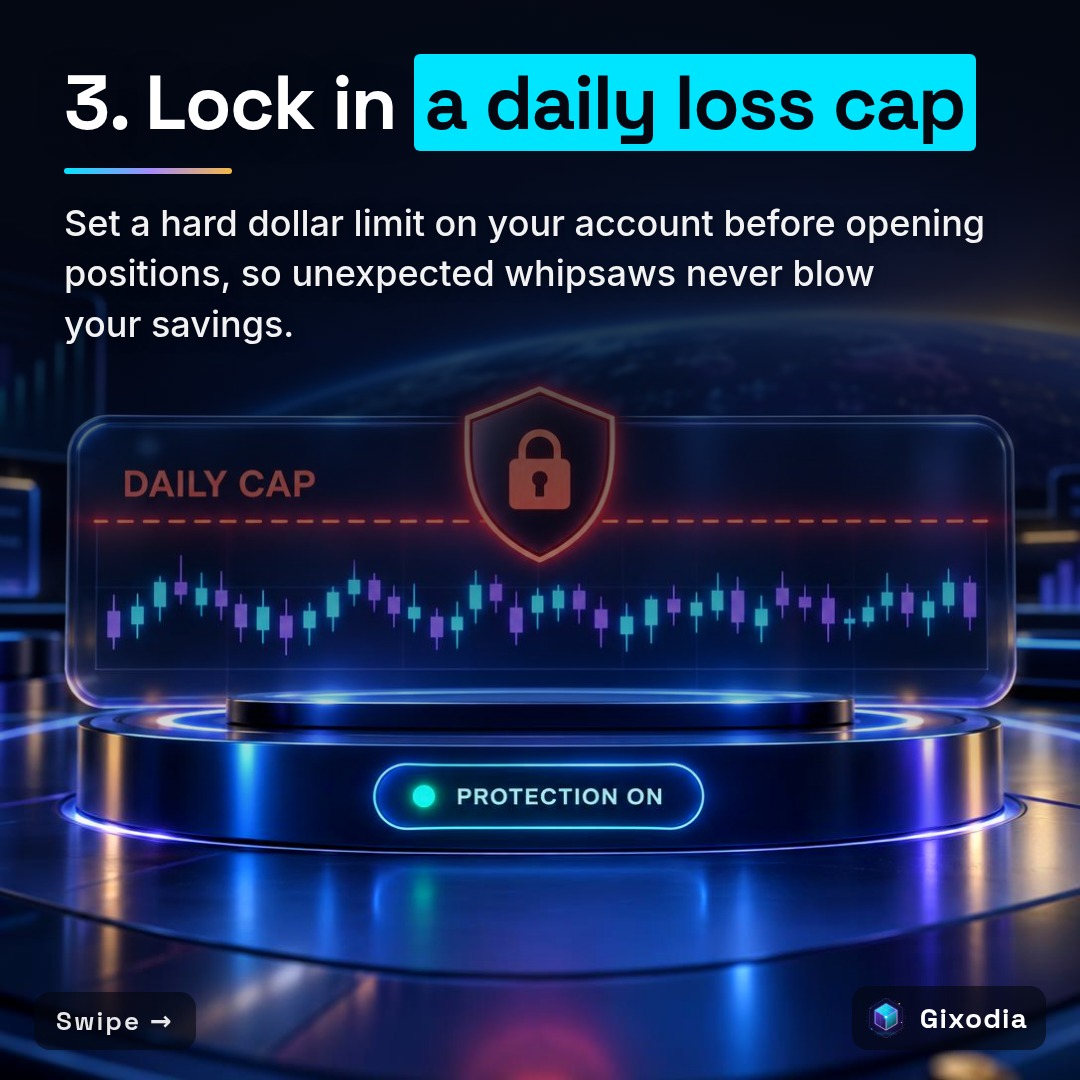
A hard daily loss limit is essential because it shuts off trading once an exposure threshold is reached. This absolute ceiling stops you from revenge trading or letting consecutive whipsaws deplete your account when conflicting reports cause repeated false breaks.
Opposing news headlines tempt traders to re-enter positions repeatedly. You might buy the initial upward spike, get stopped out as an opposing statement hits the wire, and immediately open a sell trade just before the market whips back upward. This cycle quickly ruins balances if clear limits are absent. Having strict risk management mt4 ea rules prevents emotional decision-making from taking over.
A daily loss limit acts as an unbreakable circuit breaker. You decide the maximum dollar figure you are willing to lose in a single day before you sit down at the screen. Once that number is touched, your session ends completely, protecting your capital for normal trading conditions.
How do systematic rules and trading bots handle headline conflict?
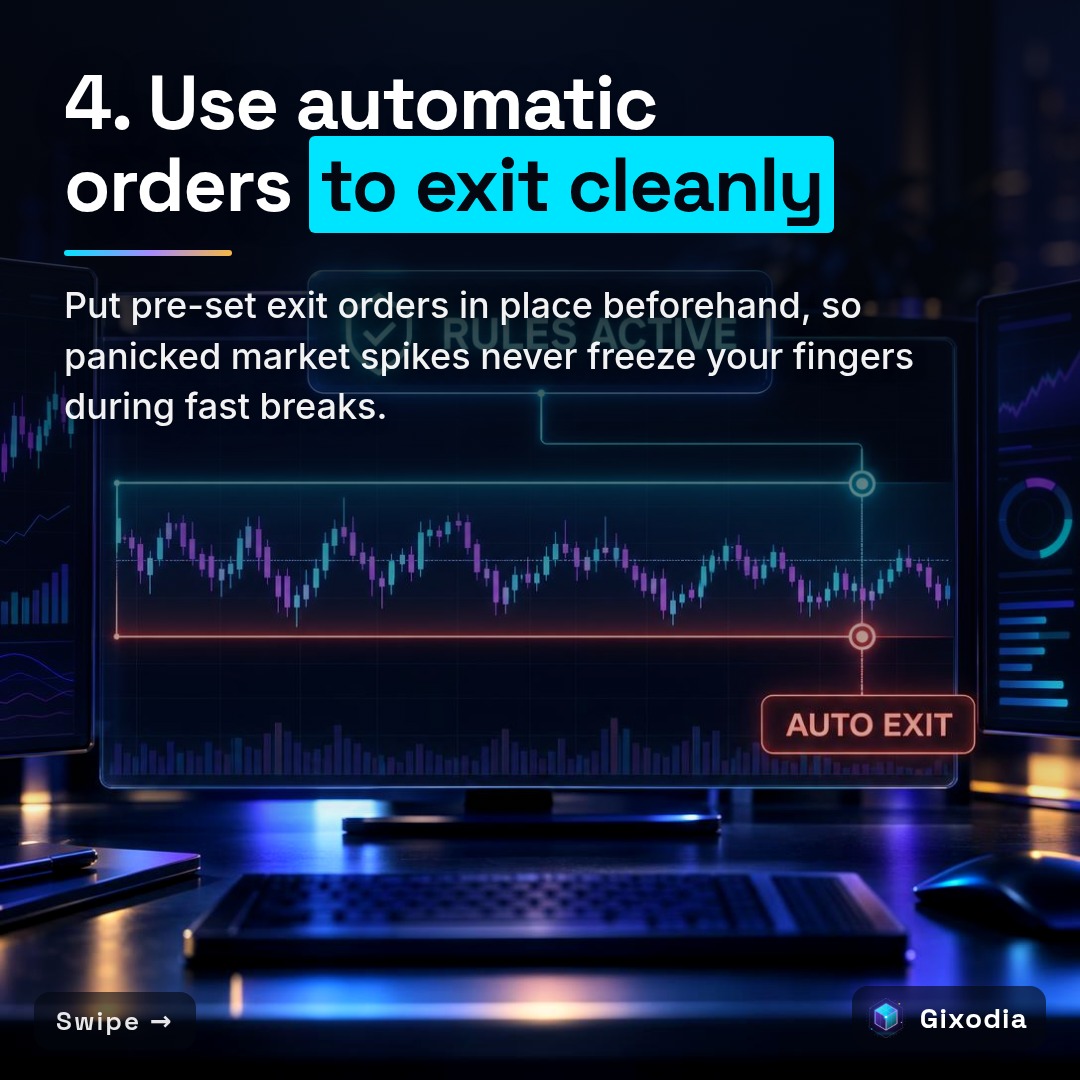
Systematic rules and trading bots handle headline conflict by executing predetermined actions without emotional panic. Instead of trying to guess which headline is right, software executes stops, cuts trade size, or pauses trading based strictly on rules programmed beforehand.
Human traders often freeze when opposing headlines create wild price swings on screen. A trading bot, which is software that places trades on your account by fixed rules, executes without hesitation, fatigue, or emotion. It does not trade in a panic or attempt to interpret the tone of a press briefing.
For example, Gixodia's trading software runs as an Expert Advisor inside MetaTrader 5. It trades by predefined rules, the same way every time. It does not try to predict the market. As an account limit you set gets close, it scales down, and it pauses at that limit. This rules-based consistency protects capital when sudden market shocks trigger human errors.
- Predetermined rules remove the instinct to hesitate or move stop losses during fast spikes.
- Systematic controls close positions cleanly when defined risk boundaries are reached.
- Algorithmic execution manages exposure objectively while human traders process the news.
How to do it, step by step
- Check the economic calendar for release clusters. Before your trading session begins, review the economic calendar for scheduled data points occurring close together, such as employment releases paired with central bank speeches.
- Calculate revised lot volume based on doubled volatility. Adjust your trade volume in MetaTrader 5 to half your standard size. This step ensures that larger point swings in EUR/USD or gold remain within your monetary risk budget.
- Anchor platform stop orders immediately. Place your stop loss directly on the server at the moment of entry. Never rely on mental stops, because headline spikes move too fast for manual platform inputs.
- Set an absolute daily loss cap in your account settings. Define a hard monetary threshold on your account balance for the day. If losses reach this set figure, close open positions and stop executing trades until the next session.
- Step back during the initial candle explosion. Avoid clicking buy or sell during the first sixty seconds of conflicting news releases. Allow the wide spread to return toward normal levels before taking action.
Checklist before you take the trade
- I have identified upcoming high-impact economic releases for the session.
- My order volume is scaled down to absorb wider candle point ranges.
- Stop loss orders are stored on the broker server for every open position.
- I have chosen a hard daily loss limit and committed to closing the terminal if hit.
- The broker spread has settled back to reasonable levels before entering a trade.
- I have accepted that slippage can push my fill price past the chart line.
Common mistakes and how to fix them
✗ The mistake: Trying to guess which conflicting headline will dominate the market trend.
✓ The fix: Stop predicting narrative outcomes. Trade purely by predefined structural levels and price reactions once the initial volatility subsides.
✗ The mistake: Moving stop losses further away to avoid being taken out by sudden spikes.
✓ The fix: Keep stops anchored at your planned boundary. Moving your exit order turns controlled risk into account-threatening drawdowns.
✗ The mistake: Entering market orders immediately as the first volatile candle prints.
✓ The fix: Wait for the spread to stabilize. Entering during the immediate spike causes you to pay massive transaction costs and endure severe slippage.
Frequently asked questions
Why do opposing headlines make market spreads widen so much?
Spreads widen because market participants temporarily pull their buy and sell quotes. Facing conflicting headlines, liquidity providers reduce exposure to avoid being caught on the wrong side of a sudden spike, which leaves a wider price gap between bids and asks.
Should I close all open trades before high-impact news releases?
Closing positions before high-impact news is a sound risk management rule for conservative accounts. If you decide to keep a position open, cutting your lot size in half and ensuring stop losses are stored on your broker server protects against unexpected spikes.
Can a stop loss protect an account completely during violent news spikes?
A stop loss protects an account by halting losses, but it executes at the next available market price rather than an absolute level. Fast price gaps can result in negative slippage, so you must always pair stops with reduced trade volume.
How does automated software react when unexpected news breaks?
Automated software acts strictly on its programmed parameters without second-guessing headlines. A systematic Expert Advisor continues to enforce predefined stop levels and drawdown caps, ensuring trading pauses if your predetermined loss limits are touched.
Want your trading to follow fixed rules, the same way every time? Gixodia's trading software for MetaTrader 5 trades by predefined rules on your own broker account, in your own name. Try it free for 72 hours, a demo account is fine, then $499/year. Trading involves risk and you can lose money.