 GIX
Why Stop Loss Orders Experience Slippage During Central Bank News and How to Protect Your Balance

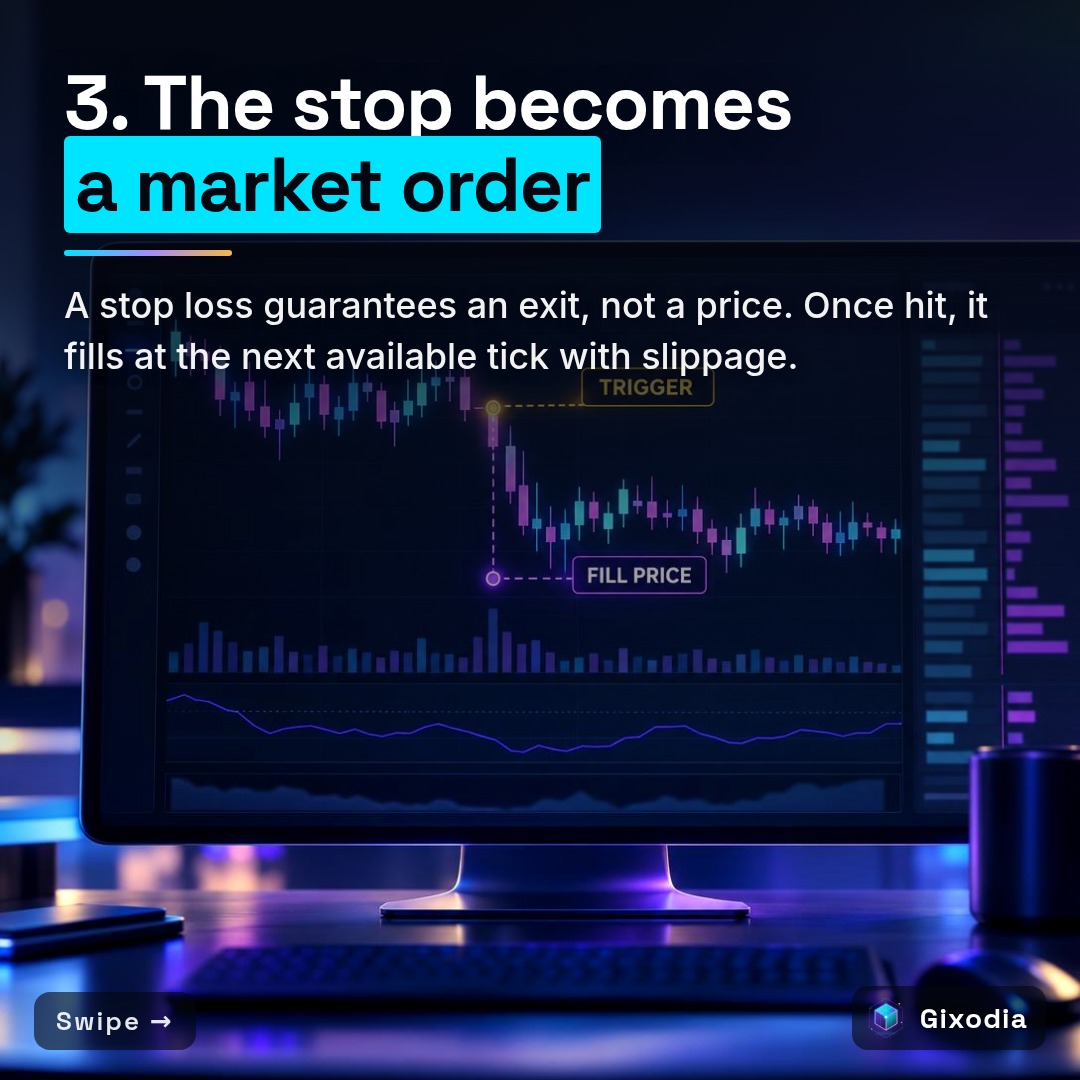
- A standard stop loss triggers an execution command, not a promise of the price you picked on your screen.
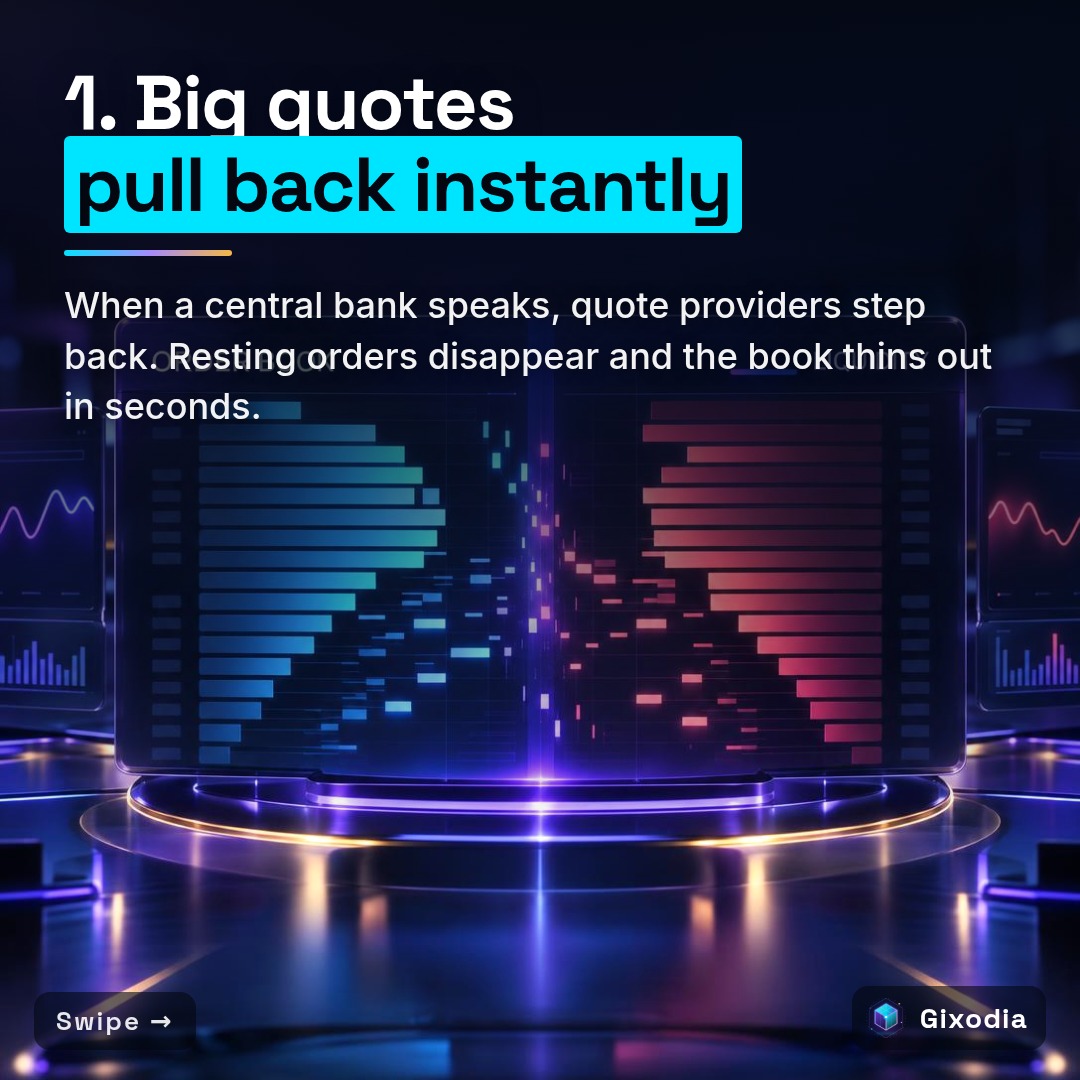
- Quote providers pull resting bids and offers right before central bank statements, creating gaps in the order book.
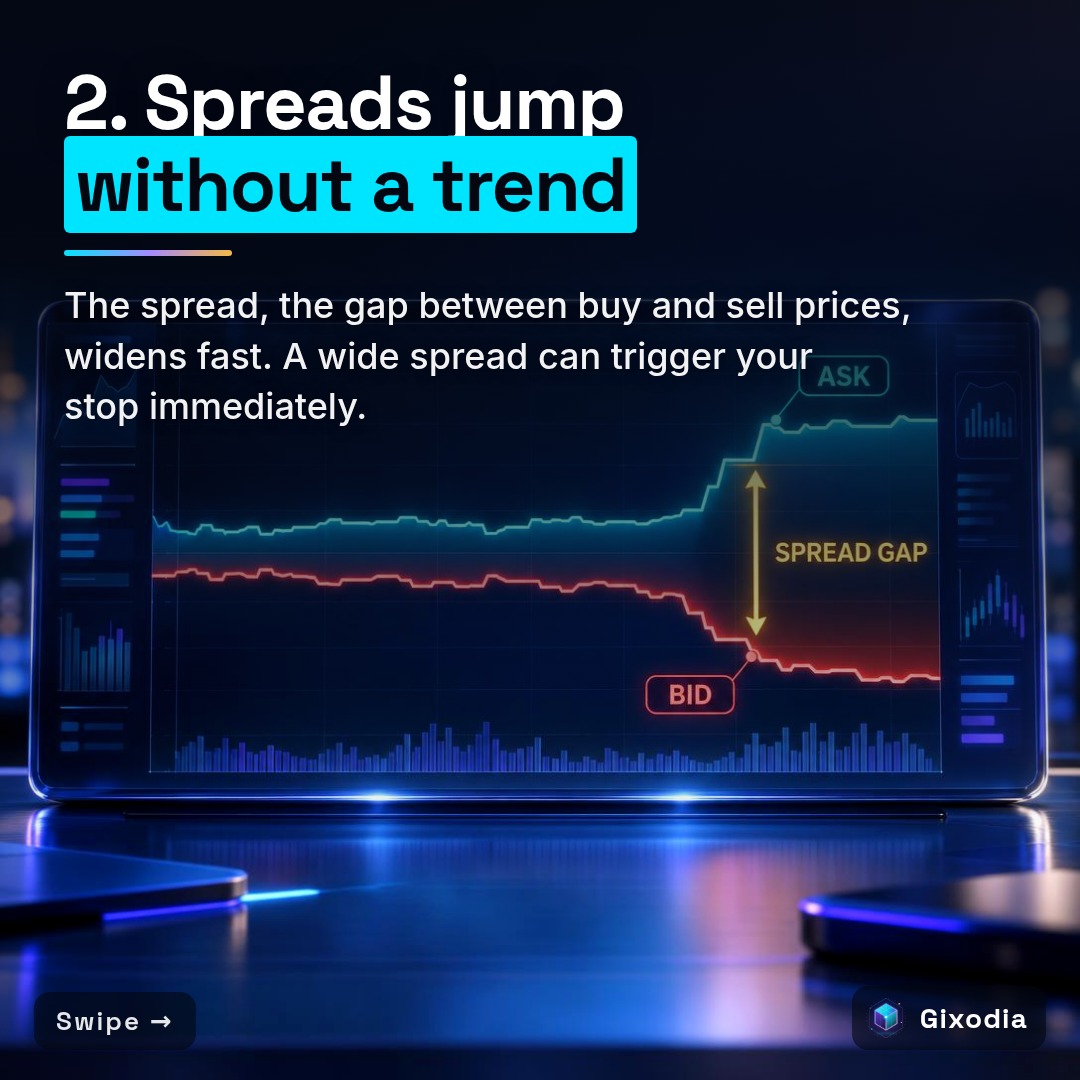
- When market volatility spikes, expanding spreads can trigger your stop loss even when the middle price has not touched your level.
- Lowering your trade volume before high impact events stops negative slippage from causing catastrophic account drawdown.
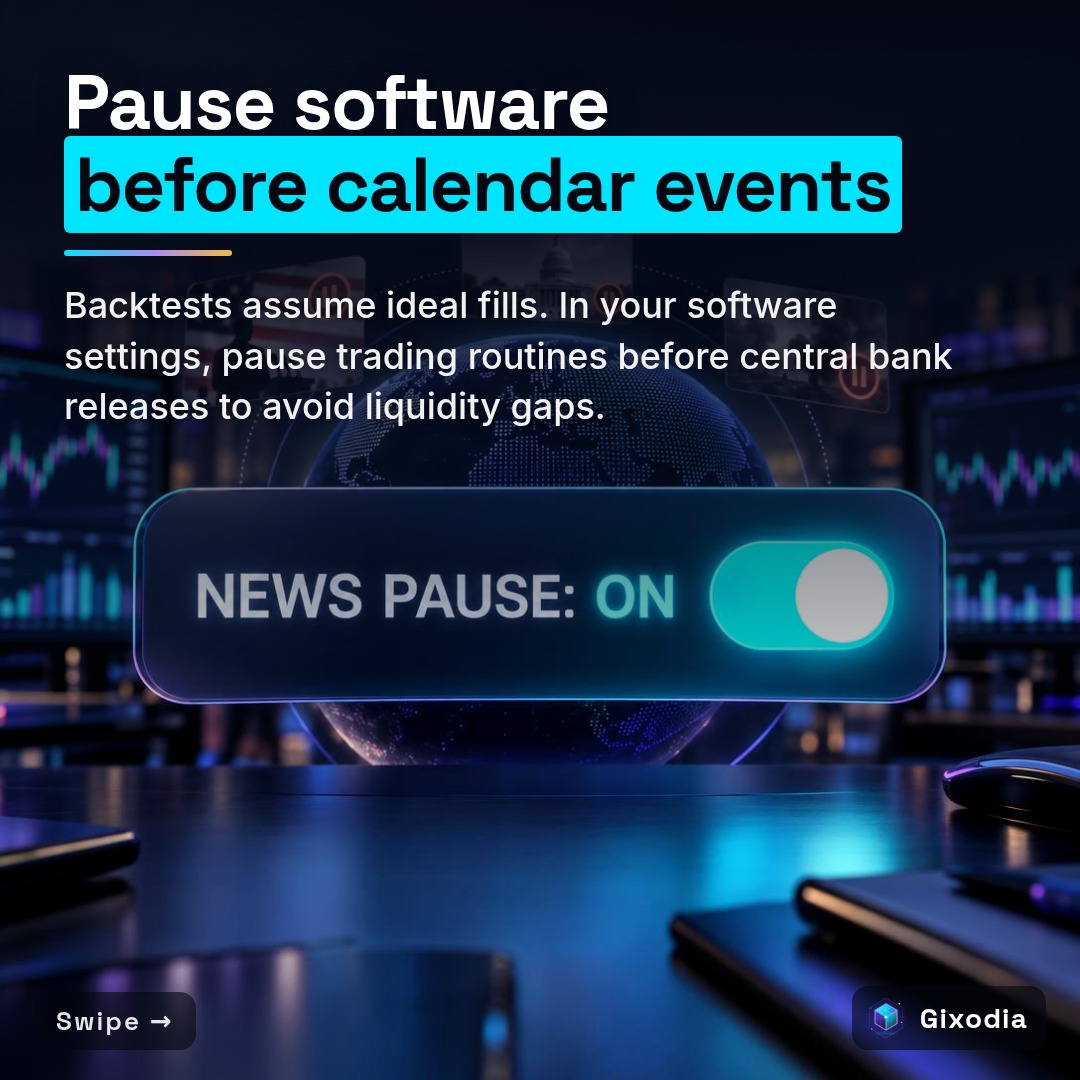
- Pausing trade entries during major macroeconomic updates prevents unexpected execution delays from damaging your rules based strategy.
What is stop loss slippage?
Stop loss slippage is the difference between the price where you set your exit order and the actual price where your broker executes the trade. When market conditions shift rapidly, the price often skips past your level before your order can find an available buyer or seller.
A stop loss is an instruction you give your trading software to close an open position if price moves against you. Many new market participants assume that typing an exit price into their platform locks that exact dollar figure into place. In reality, a conventional stop loss is an off market conditional instruction. It sits quietly on a broker server waiting for price to touch the trigger.
Once the market ticks at or past that level, the order wakes up and converts into a standard market order. A market order does not demand an exact quote. It commands the trading network to take whatever price is currently offered on the other side of the trade. If prices are moving calmly, your fill is often identical to your stop. When volatility jumps, the fill price can land far away from your intended exit.
This dynamic is explored in depth when analyzing understanding spread commission slippage, where transaction frictions compound quickly during market transitions.
Why does liquidity disappear when central banks speak?
Liquidity disappears during central bank events because institutional market makers pull their resting orders to avoid taking the wrong side of an unpredictable interest rate decision. This instantaneous withdrawal leaves massive gaps between available quotes on the broker order book.
Under regular trading conditions in deep currency markets, there are thick layers of buy and sell orders waiting at nearly every fraction of a pip. This balance creates smooth price transitions. When an event like an interest rate decision or an emergency policy update approaches, institutional trading desks face massive directional risk. Because nobody knows the exact wording of the policy statement beforehand, big participants step away.
To avoid being forced to buy an asset that is crashing or sell an asset that is skyrocketing, institutions cancel their passive limit orders moments before the release clock hits zero. The order book immediately empties out. Where there were once thousands of contracts waiting to absorb retail volume, only scattered, defensive quotes remain.
Traders studying central bank forex announcements know that without resting institutional orders, any incoming market volume pushes quotes across wide price jumps rather than orderly steps.
How do widening spreads trigger stops prematurely?
Widening spreads trigger stop loss orders prematurely because long positions exit on the bid price while short positions exit on the ask price. When the gap between those two numbers blows wide open during high impact news, your stop price can be hit without the underlying chart average ever touching it.
The spread is simply the gap between what buyers are willing to pay and what sellers are willing to accept. In quiet hours on major pairs like EUR/USD, that gap might measure a fraction of a pip. But when an announcement breaks, liquidity providers blow that gap out to fifteen or twenty pips to shield themselves from sudden price runs.
If you are short EUR/USD, your protective stop loss is triggered by the ask price, which is the price you must pay to buy back your position. If the spread spikes upward, the ask quote can shoot right into your stop loss while the visible candle chart, which often tracks the bid or median price, looks like it never went near your level.
Understanding how pricing feeds operate helps traders avoid unexpected losses. You can read more about how liquidity providers manage pricing in our breakdown of how forex markets work.
| Feature | Standard Stop Loss Order | Stop Limit Order |
|---|---|---|
| Trigger mechanism | Triggers when the bid or ask reaches your stop price | Triggers when the bid or ask reaches your stop price |
| Execution order type | Converts immediately into a plain market order | Converts into a limit order with an exact floor or ceiling |
| Price fill behavior | Takes whatever quote comes next in the order book | Will not fill worse than your defined limit price |
| Primary news risk | Severe negative slippage well past your planned risk | Order remains open and unprotected if price gaps past your limit |
What happens to your order inside MetaTrader 5 during news?
Inside MetaTrader 5, your stop loss is held on the broker server until market quotes reach your designated price. Once triggered under market execution, the platform sends an order requesting the next quote provided by upstream liquidity desks, regardless of how far the price has shifted.
MetaTrader 5 processes stop orders server side. You do not need to keep your personal terminal active for the trigger to fire, which prevents local internet dropouts from keeping your trade open. However, server side execution does not protect you from price gaps. When a news release creates a price jump, the broker pricing engine encounters a vacuum.
Imagine you have a long position with a stop loss set at 1.0850. A surprise rate hike occurs, and the incoming bid drops instantly from 1.0855 to 1.0820 without printing a single quote in between. Your stop loss triggers the moment the price crosses 1.0850, but because there are zero buyers between 1.0850 and 1.0820, the server matches your order at 1.0820. You absorb thirty pips of negative slippage on that single print.
Proper configuration of technical tools and server environments is vital, as outlined in our walkthrough of risk management mt4 ea pro.
How can you protect your trading balance from news slippage?
You can protect your balance by cutting position sizes ahead of economic releases, utilizing automated pause routines, setting broker deviation thresholds, and avoiding breakout stop orders placed directly before the release timestamp.
The most reliable method to prevent news slippage from damaging your account is managing your risk exposure before the news hits. If your typical setup risks one percent of your account balance based on a twenty pip chart stop, that calculation fails if the fill slips twenty additional pips. Cutting your trade volume in half drops your dollar risk to manageable levels even if price gaps through your exit.
Another effective defense is systematic timing. Traders running automated systems often enforce strict rules that pause new entries twenty to thirty minutes before high tier news and keep trading paused until spreads return to their normal baseline. Software like Gixodia's trading software operates strictly by predefined rules, making it straightforward to step aside during wild market events rather than gambling on erratic order execution.
For manual and algorithmic setups alike, maintaining firm risk controls is essential, as explained in our guide on why most retail traders lose.
- Reduce lot sizes by fifty percent whenever an open trade must remain active over a scheduled rate announcement.
- Use MetaTrader 5 deviation parameters to reject extreme slippage on manual entries.
- Never place pending buy stop or sell stop orders seconds before a release in an attempt to catch the spike.
- Wait ten to fifteen minutes after the announcement until quotes stabilize before entering new trades.
How to do it, step by step
- Check your daily calendar. Open an economic calendar each morning and highlight major central bank releases like rate decisions, policy statements, and press conferences.
- Measure your open exposure. Review all open positions on your account at least thirty minutes before the scheduled release time to evaluate total potential capital at risk.
- Scale down trade sizes. Close partial lots on existing trades to lower your position sizing so that unexpected negative slippage cannot breach your maximum risk threshold.
- Enable automated pause rules. If running an Expert Advisor, configure its settings to pause entering new positions ahead of high impact releases and remain paused until spreads settle.
- Inspect spread levels post news. Monitor the real time spread on your MetaTrader 5 Market Watch window after the news release, waiting until numbers return to everyday ranges before resuming trading.
Checklist before you take the trade
- Economic calendar reviewed for high impact central bank announcements today.
- Open trade volumes reduced to account for wider spread gaps.
- Stop loss levels verified as standard server side orders.
- Automated trading software set to pause before the event timestamp.
- No pending straddle orders placed across the immediate spread.
- Spreads verified as normal before resuming standard trade activity.
Common mistakes and how to fix them
✗ The mistake: Believing a standard stop loss locks in your exact exit price.
✓ The fix: Remember that a stop turns into a market order on trigger; factor possible slippage into your position size before opening the trade.
✗ The mistake: Straddling the market with buy stop and sell stop orders seconds before a news print.
✓ The fix: Do not trade sudden breakouts with resting stops; wider spreads can trigger both orders instantly and fill both with heavy slippage.
✗ The mistake: Manually moving stops further away during an active news spike.
✓ The fix: Keep stops in their initial planned locations or exit before the event; adjusting stops during wild candles compounds drawdown.
Frequently asked questions
Can a stop loss order protect me completely during interest rate news?
A stop loss ensures your position will attempt to close when hit, but it cannot prevent negative slippage if the market gaps past your price. Because it executes as a market order, you will receive the next available quote.
Why did my trade close when the chart line never reached my stop loss?
Forex charts frequently display the bid price by default. If you were short, your stop loss was triggered by the ask price, which can surge upward dramatically as spreads widen during news.
Does running a trading bot avoid news slippage automatically?
A trading bot must obey the same market liquidity rules as manual traders. To avoid slippage, configure the software rules to pause trading routines before major central bank events take place.
Should I use stop limit orders instead of standard stop losses?
A stop limit order prevents you from filling at a terrible price, but if the market gaps past your limit, your order will remain unfilled. This can leave you holding an unhedged position during a severe crash.
Want your trading to follow fixed rules, the same way every time? Gixodia's trading software for MetaTrader 5 trades by predefined rules on your own broker account, in your own name. Try it free for 72 hours, a demo account is fine, then $499/year. Trading involves risk and you can lose money.
Sources
- investopedia.com
- Slippage on Stop Loss Orders Explained for Traders (rannforex.com)
- Mastering stop-market orders — TradingView (tradingview.com)
- What is Slippage in Trading? Causes and How to Minimize It (inveslo.com)