 GIX
Why Automated Trading Rules Pause Trading During Major Economic News Releases
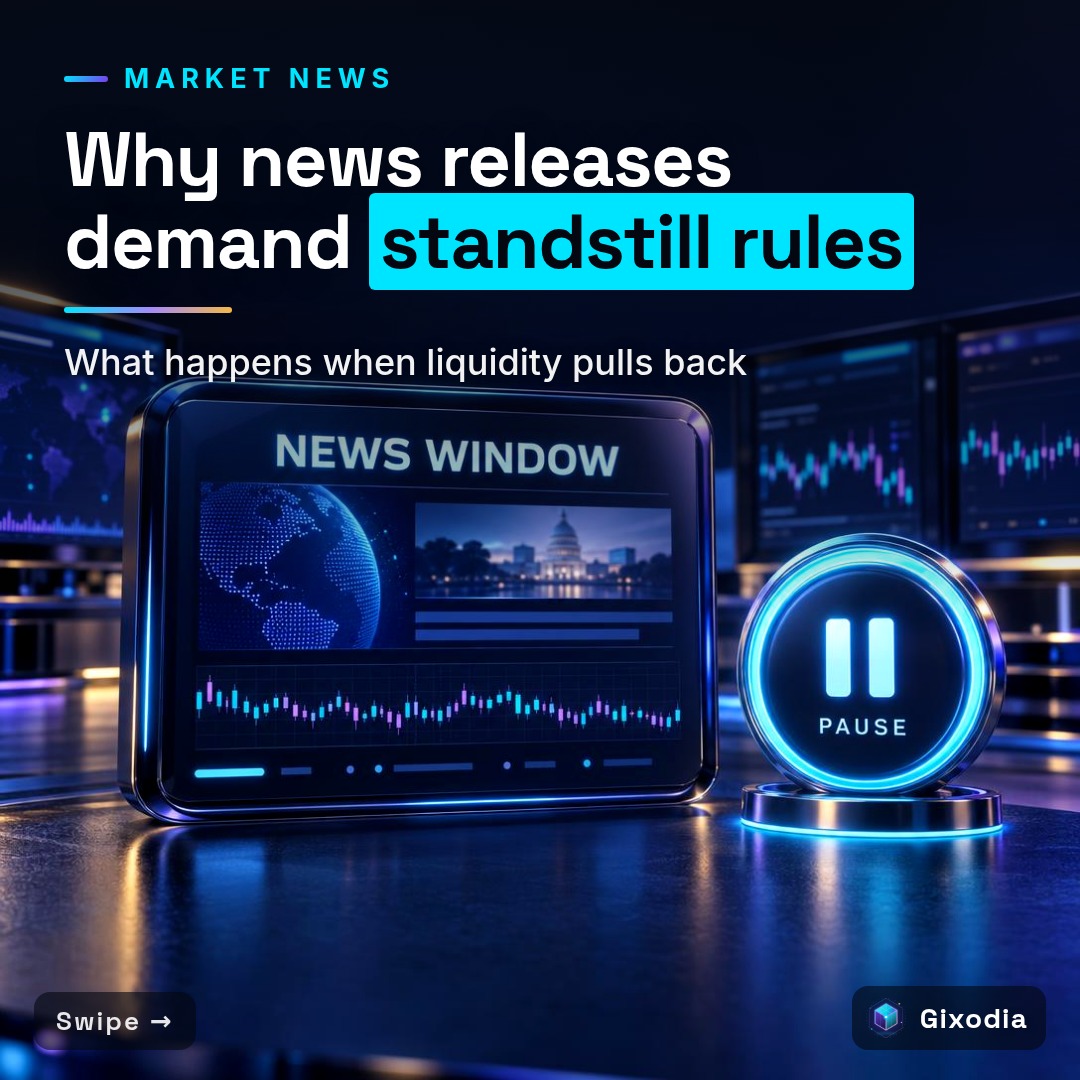
- A news filter algorithm is an automated risk management module that halts trade execution during high-impact economic calendar events.
- Large institutional liquidity providers routinely cancel resting orders ahead of major data prints to avoid holding exposure during extreme headline volatility.
- Order book depth clears out during major news releases, which blows bid-ask spreads wide open and causes severe execution slippage.
- A standard defensive blackout window pauses order entries 15 to 30 minutes before an event and waits 15 to 30 minutes afterward for spreads to normalize.
- Reliable news filtering requires synchronizing bot clocks to trade server time and checking both the base and quote currency of an asset.
What is a news filter in automated trading?
A news filter is an automated risk-management module embedded inside trading software that reads scheduled macroeconomic calendar data and pauses order execution during high-impact releases. It tracks events like central bank interest rate decisions, inflation reports, and employment figures, freezing new trade submissions to avoid the volatile market spikes that surround these prints.
In algorithmic trading, consistency in execution matters just as much as entry criteria. Modern trading platforms allow an Expert Advisor running inside MetaTrader 5 to inspect live calendar tables using native functions or scheduled feeds. When an upcoming release matches a preset impact tier, the news filter alters the software state from active to paused.
This defensive mechanism ensures that the system does not gamble on fast price spikes. By understanding what is algorithmic trading, traders realize that automated software relies on stable order books and predictable fill mechanics. When a high-impact release approaches, the news filter simply tells the engine to stand aside.
- It reads event schedules automatically through platform APIs or synchronized feeds.
- It classifies releases by severity, focusing primarily on high-impact announcements.
- It disables new market entries and removes pending limit or stop orders before data drops.
Why does market liquidity disappear right before high-impact economic news?
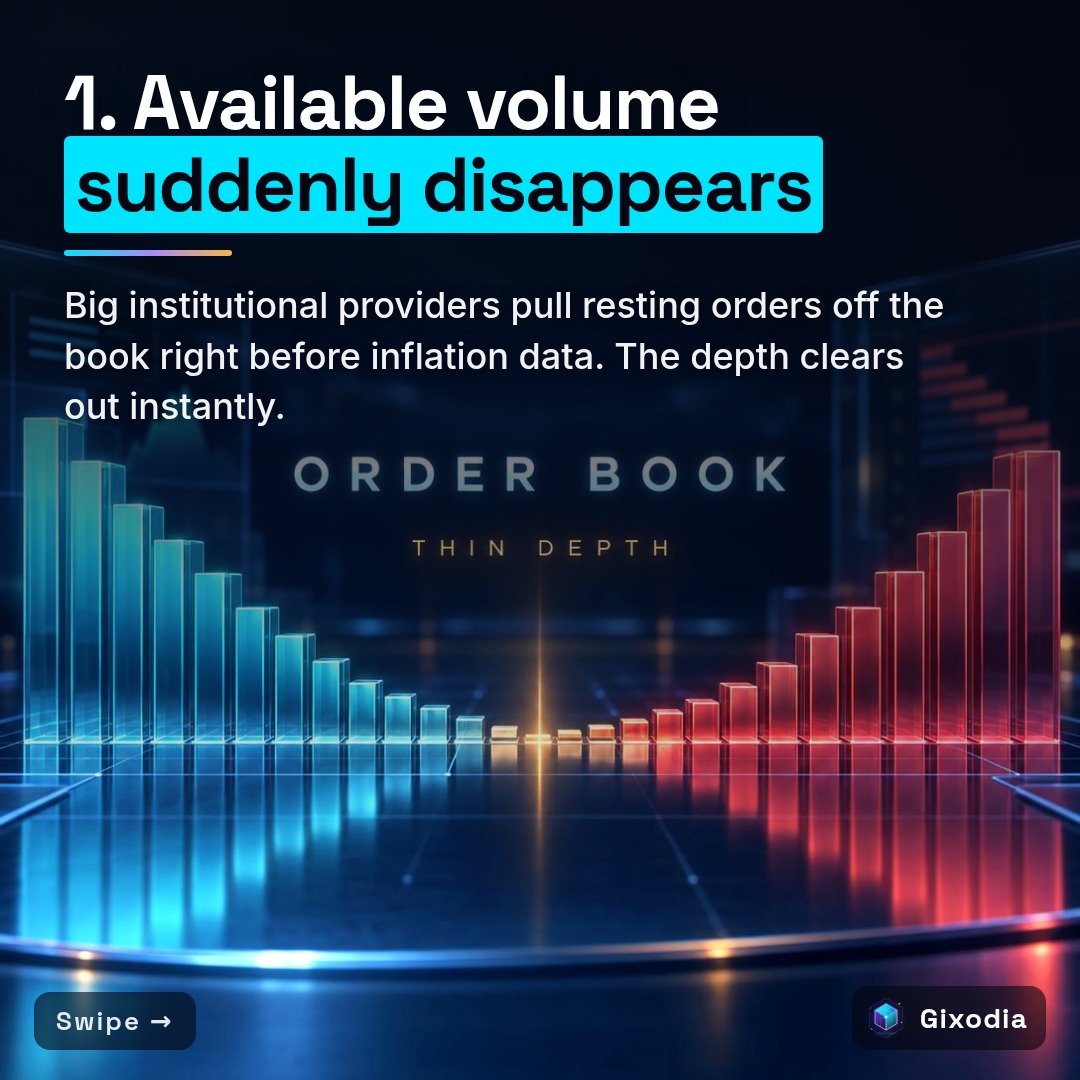
Market liquidity disappears before high-impact news because large institutional desks and market makers cancel their resting limit orders to avoid unpredictable losses. With institutional participants stepping away from the order book, the total available volume drops sharply, leaving fewer bids and offers to match incoming trades.
Retail traders often believe that a major news print brings massive liquidity into the market. While transaction volume can surge in sudden bursts, available resting liquidity actually evaporates. Market makers earn their living by capturing the spread while keeping their risk minimal. Holding an inventory of buy or sell orders seconds before a release from the Federal Reserve or the European Central Bank exposes them to uncontrollable loss if the figure surprises consensus.
To protect their own books, institutional providers pull their orders off the ladder minutes ahead of the release. If you trade EUR/USD or CME gold, you can watch the order depth vanish. Without deep resting volume to absorb trades, any small market order pushes price aggressively across multiple price levels, creating fast gaps.
- Institutions pull resting bids and asks off the book to sidestep directional headline risk.
- Available depth vanishes, meaning there are very few contracts available at nearby price steps.
- The absence of resting orders causes even minor transaction flow to trigger wild price leaps.
How do widened spreads and slippage damage algorithmic execution?
Widened spreads and execution slippage damage automated strategies by dramatically raising trading costs and filling stop or entry orders far beyond their intended levels. When spreads blow wide, opening a position forces the trade into an immediate, steep deficit that disrupts the strategy's calculated risk parameters.
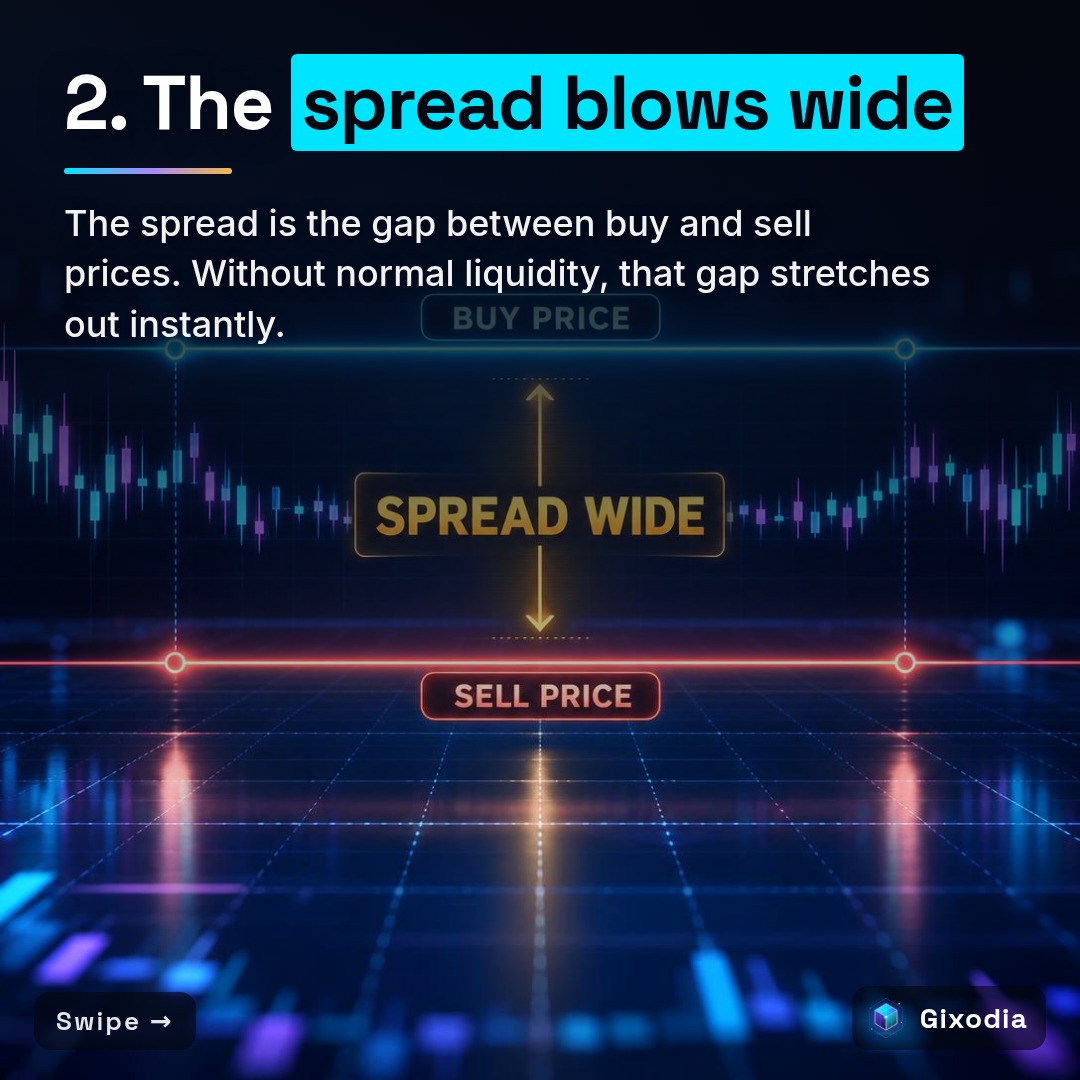
The spread is the gap between the buy price and the sell price quoted by your broker. Under regular market hours, understanding spread commission slippage helps you see why low friction is vital for consistent results. During a high-impact release, that spread can suddenly jump five to ten times wider than its normal baseline.
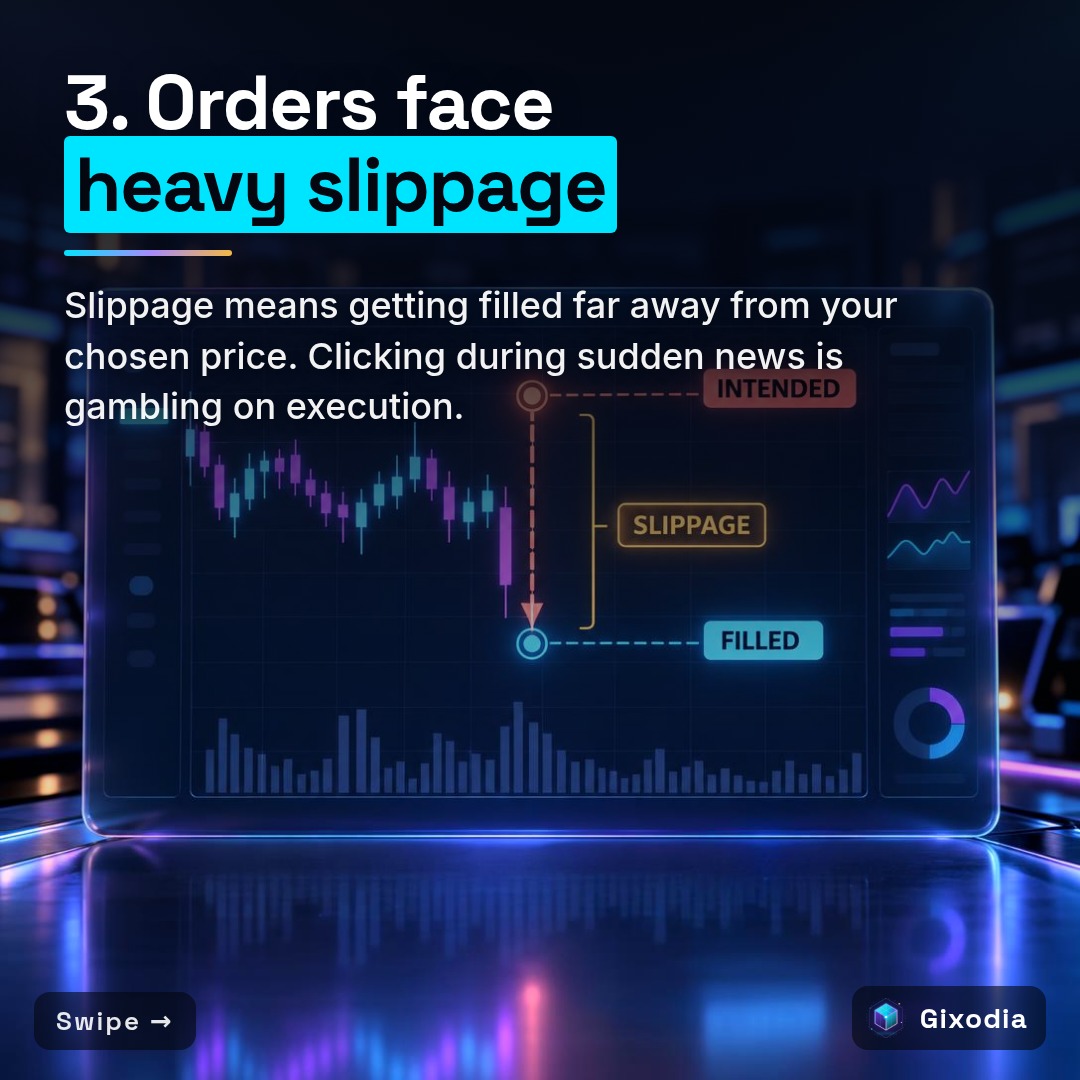
Slippage means getting filled at a worse price than the one you clicked on or programmed into your code. A stop loss, which is simply a stop order that triggers a market order when touched, will not get filled at your exact price if nobody is offering that price in a thinned-out book. The order slides down to the next available price tick, turning an expected modest loss into a much larger balance drop.
- Entering a trade across an inflated spread demands an unusually large move just to break even.
- Resting stop orders execute as market fills at the next available tick, leading to heavy slippage.
- Whipsawing price spikes trigger stop orders on both sides of the market within seconds.
| Market Metric | Normal Liquid Trading Session | High-Impact News Release Window |
|---|---|---|
| Order Book Depth | Deep layers of resting limit orders from institutional desks | Very thin liquidity as providers pull resting orders from the book |
| Bid-Ask Spreads | Tight, stable baseline spreads on major pairs like EUR/USD | Spreads widen sharply, jumping several times above normal levels |
| Execution Slippage | Minimal, fills execute at or near the quoted price | High risk of orders filling far away from the intended stop or entry |
| Price Movement | Continuous price flow with readable technical structure | Erratic, two-sided whipsaws and sudden price jumps |
| Automated Rule Action | Standard execution rules process signals normally | News blackout filter pauses new orders and cancels pending entries |
How does a rule-based news blackout window work?
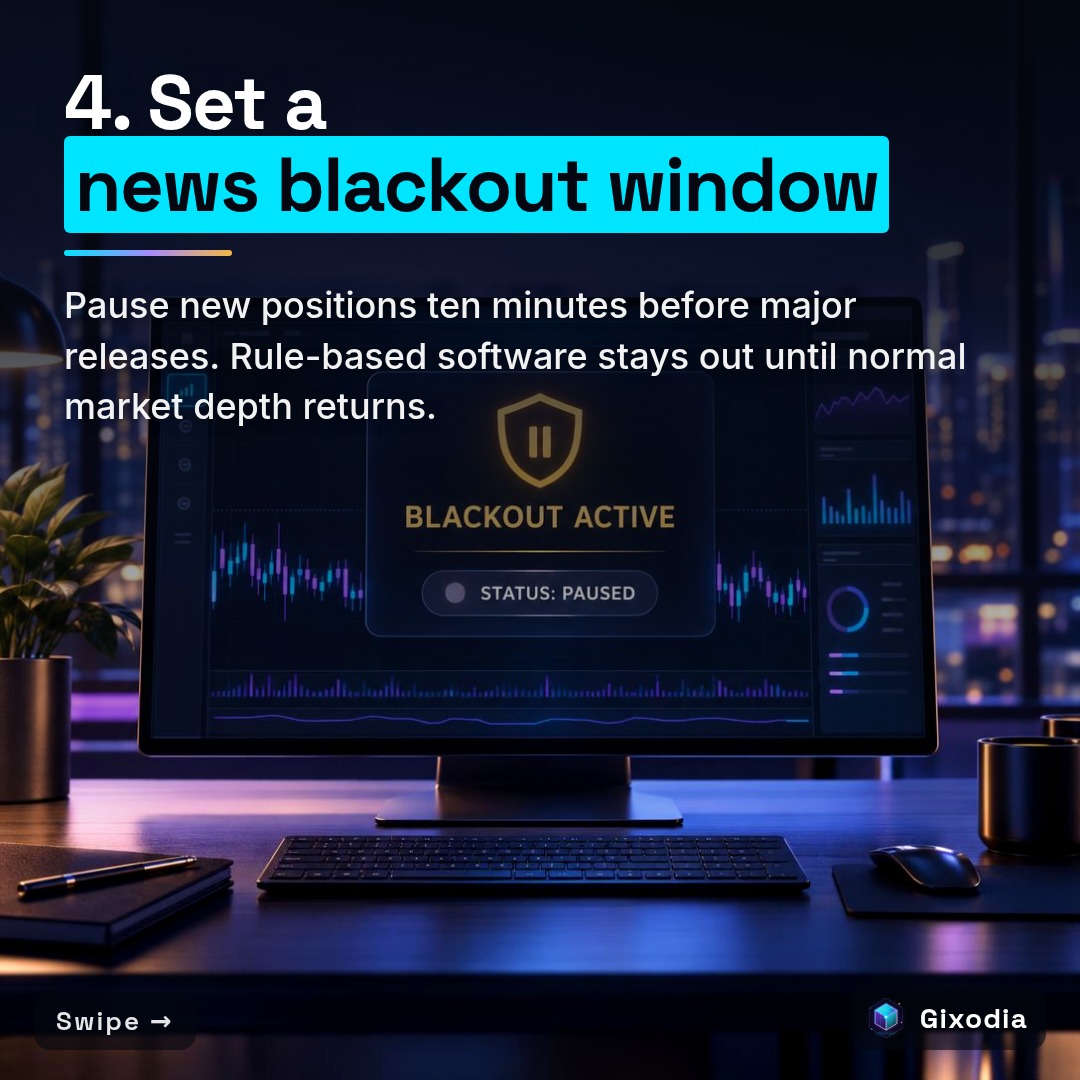
A rule-based news blackout window works by dividing the schedule around a high-impact event into a pre-news pause phase, a release freeze, and a post-news cooldown period. The software stops taking signals before the data prints and remains paused until market volatility settles and bid-ask spreads contract back to baseline.
A typical blackout setting pauses all new trade execution 15 to 30 minutes ahead of scheduled data. During this pre-news buffer, the software cancels any pending buy stops, sell stops, or limit orders sitting near current price. This prevents the bot from getting swept into false breakout spikes that occur right as the number prints.
After the event concludes, the cooldown window keeps the system paused for another 15 to 30 minutes. High-impact numbers often cause secondary volatility as institutional desks digest the data. Good automated trading rules combine this timer with a live spread check: even if the timer expires, trading stays paused if the current spread remains wider than standard parameters. Gixodia builds algorithmic software that trades by predefined rules, the same way every time, ensuring execution stays disciplined without manual second-guessing.
- Pre-news phase: halts new entries and deletes resting pending orders ahead of time.
- Release phase: maintains a strict execution freeze while the market digests the data print.
- Cooldown phase: waits for bid-ask spreads and volatility to return to regular baseline levels.
Which economic events require trading rules to pause?
Trading rules must pause during tier-one macroeconomic data prints that alter expectations for interest rates and economic growth. The primary events requiring a blackout are central bank rate decisions, consumer price inflation figures, headline employment numbers like US Non-Farm Payrolls, and preliminary gross domestic product releases.
Not every line on an economic calendar carries the power to clear out market liquidity. Low and medium impact events generally produce orderly flow that standard technical rules handle smoothly. However, tier-one announcements disrupt institutional assumptions across entire asset classes. When trading instruments linked to the US dollar, including gold, inflation prints like CPI and PCE generate immediate repricing.
Rate decisions from major institutions like the Federal Reserve or the European Central Bank represent another critical pause point. Along with the interest rate figure itself, the subsequent press conference introduces sustained uncertainty. News filters should cover both the initial policy statement and the live press briefing until clear market order returns.
- Central bank policy meetings and interest rate announcements.
- Consumer Price Index (CPI) and Personal Consumption Expenditures (PCE) inflation reports.
- Employment situation reports, specifically US Non-Farm Payrolls and unemployment figures.
- Advance Gross Domestic Product (GDP) reports that reshape growth forecasts.
How do you map affected currency pairs and correlated assets?
You map affected assets by programming your rules to check both the base currency and the quote currency of every traded instrument against the calendar release. If a release impacts the US dollar, the filter must pause execution on EUR/USD as well as dollar-priced commodities like CME gold.
A frequent technical error in automated filters is evaluating only the first half of a currency pair. For example, a filter scanning EUR/USD might check European releases and pause during an ECB meeting. But if it fails to monitor the quote currency, an unexpected US inflation print will hit while the system remains fully active.
Correlated assets require identical vigilance. When trading gold on MetaTrader 5, the instrument is priced in US dollars as XAU/USD. A release concerning American employment numbers will shake gold price action just as hard as it shakes currency pairs. A complete news filter inspects all currency tags tied to the chart symbol before clearing the software to trade.
- Inspect both the base currency and quote currency for every instrument traded.
- Link dollar releases directly to dollar-denominated assets such as CME gold.
- Avoid running single-currency calendar filters on multi-currency account setups.
How to do it, step by step
- Access the Economic Calendar. Open the Calendar tab inside MetaTrader 5 or configure your automated software to query the built-in calendar API functions. Verify that high-impact macroeconomic events populate correctly across your upcoming trading sessions.
- Filter for High-Impact Releases. Select only tier-one announcements, such as interest rate decisions, CPI prints, Non-Farm Payrolls, and GDP reports. Disregard low-impact sentiment surveys to avoid pausing your bot unnecessarily during routine market flow.
- Set the Pre-Event Blackout Buffer. Configure the news filter parameters to pause new trade entries between 15 and 30 minutes before the scheduled release time. Ensure this rule cancels any resting limit or stop orders currently active on the chart.
- Synchronize Server Time. Ensure your trading software evaluates news event schedules using your broker's trade server time rather than your local computer clock. A time zone discrepancy can cause your bot to pause too late or resume too early.
- Set the Post-Event Cooldown and Spread Threshold. Establish a post-release cooldown buffer of 15 to 30 minutes. Add an additional logic rule that prevents trade resumption until the current bid-ask spread drops back within 2.5 times its standard baseline.
Checklist before you take the trade
- Check the daily economic calendar every morning before active trading starts.
- Confirm your software tracks both base and quote currencies for your active symbols.
- Verify that your bot evaluates news timing against trade server time, not local computer time.
- Ensure pending limit and stop orders get canceled before the pre-news buffer begins.
- Set a maximum spread safeguard so trades do not execute if spreads remain blown open.
- Review broker execution logs after major events to track fill slippage.
Common mistakes and how to fix them
✗ The mistake: Relying on a local computer clock instead of trade server time to trigger the news blackout.
✓ The fix: Synchronize the filter logic exclusively to the broker trade server clock so time zone shifts or daylight saving changes do not cause execution timing errors.
✗ The mistake: Assuming a resting stop loss order eliminates all risk during a major data release.
✓ The fix: Recognize that stops execute as market orders and can slip through empty books; close high-risk exposure or pause new entries before data prints.
✗ The mistake: Filtering only the base currency of an instrument while ignoring the quote currency.
✓ The fix: Program your news filter rules to evaluate both currencies in a pair, such as checking USD events alongside EUR events for EUR/USD.
✗ The mistake: Resuming execution immediately after the event timestamp without verifying spread width.
✓ The fix: Implement a post-news spread check that keeps execution halted until bid-ask spreads return to their normal baseline level.
Frequently asked questions
Why do spreads widen before major economic news?
Spreads widen because institutional liquidity providers pull resting buy and sell orders from the market ladder ahead of high-impact releases. Without deep order books to absorb trade volume, the difference between the best available buy and sell quotes naturally expands.
Does a stop loss protect me from slippage during news releases?
A stop loss order turns into an active market order the moment its price is triggered. If the order book contains no resting quotes at your stop price, the broker fills your order at the next available tick, which may sit significantly lower or higher than planned.
How long should an automated trading bot stay paused around high-impact news?
A reliable pause window typically spans 15 to 30 minutes before the scheduled release and extends 15 to 30 minutes after the release. This provides sufficient time for order book depth to rebuild and bid-ask spreads to settle back to normal levels.
Can I backtest an automated news filter inside MetaTrader 5?
Native platform calendars operate live and might not supply historic calendar data during standard strategy tester runs. To evaluate news filter performance in historical testing, traders incorporate pre-compiled historical release data directly into their backtest configuration.
Want your trading to follow fixed rules, the same way every time? Gixodia's trading software for MetaTrader 5 trades by predefined rules on your own broker account, in your own name. Try it free for 72 hours, a demo account is fine, then $499/year. Trading involves risk and you can lose money.
Sources
- The News Filter | Buy Trading Utility for MetaTrader 4 (mql5.com)
- Forex News Filter for EAs — Why and How to Use It | WONNFX (wonnfx.online)
- Building a news filter for an MQL5 EA with the built in economic calendar (dev.to)